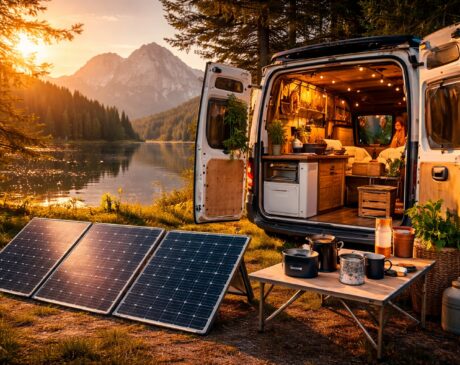
Van Life Essentials: What You Really Need to Feel at Home on the Road
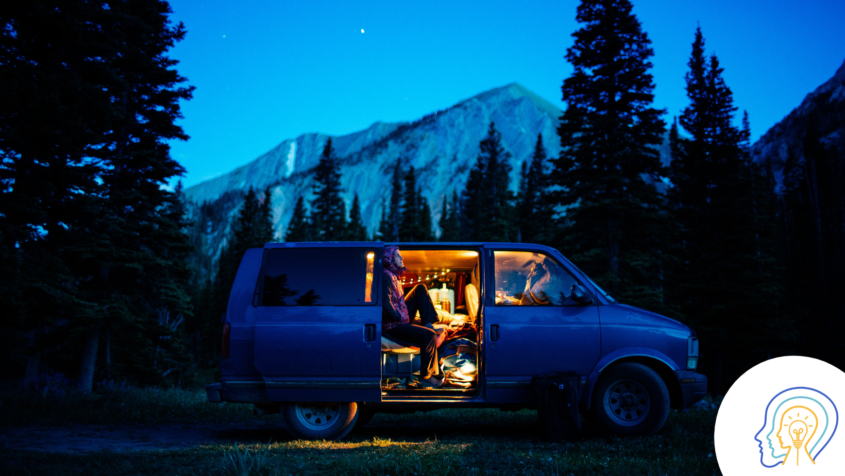
By the third rainy morning, the polished worktop is no longer the star of the conversion. What matters is where the wet jackets go. Whether you can make coffee without moving half the contents of the van. Whether the bedding still feels dry.
That is the side of van life that photographs rarely show—and the one worth thinking about before buying equipment.
There is no definitive collection of van life essentials because no two people use a van in quite the same way. A weekend climber, a remote worker and a couple travelling with a dog may own similar vehicles, but they will need very different interiors. Comfort comes from arranging the space around your days, not recreating somebody else’s build from social media.
Before buying a van, borrow one
Even a short rental can answer questions you did not know you had. Perhaps standing height matters enormously. Perhaps you would rather have an easy-to-park vehicle and cook outside. You might love the idea of converting the bed each morning, then abandon it after doing it twice.
When it is time to buy, look beyond the usual arguments about Sprinters, Transits, ProMasters and vintage Volkswagen vans. The badge matters less than condition, maintenance history and whether suitable mechanics and spare parts are available along your route.
Check for rust, leaks, worn tyres and unexplained warning lights. Confirm the payload before adding tanks, batteries, furniture and personal belongings; conversions become heavy surprisingly quickly. If somebody else completed the gas or electrical installation, ask for paperwork and have it inspected when its history is unclear.

A high roof and long wheelbase offer space, but they also change fuel costs, parking and access. Some car parks have height barriers. Narrow village streets are not nearly as charming when the mirrors barely fit through them.
Start with the journeys you are likely to take, not the adventures you may attempt one day.
Plan for the dull parts of the day
The right layout becomes obvious when you imagine the van with its doors closed. Where will you sit while it rains? Can someone reach the fridge while another person is in bed? Is the toilet accessible at night, or buried beneath three storage boxes?
Fixed beds are convenient and leave a useful garage below. Convertible beds free up daytime space, although dismantling and rebuilding them can become a daily chore. Try both before making the decision permanent.
The same applies to storage. Put frequently used items where your hands naturally reach for them. Shoes and waterproofs near the door; cooking tools beside the stove; heavy equipment low down. Everything must stay in place when the van brakes suddenly. That lovely open shelf will be less lovely after its contents cross the room.
There is no shame in beginning with plywood, removable boxes and a simple mattress. In fact, living with a rough first version often prevents expensive mistakes. Use the van, notice what irritates you and build around the answers.
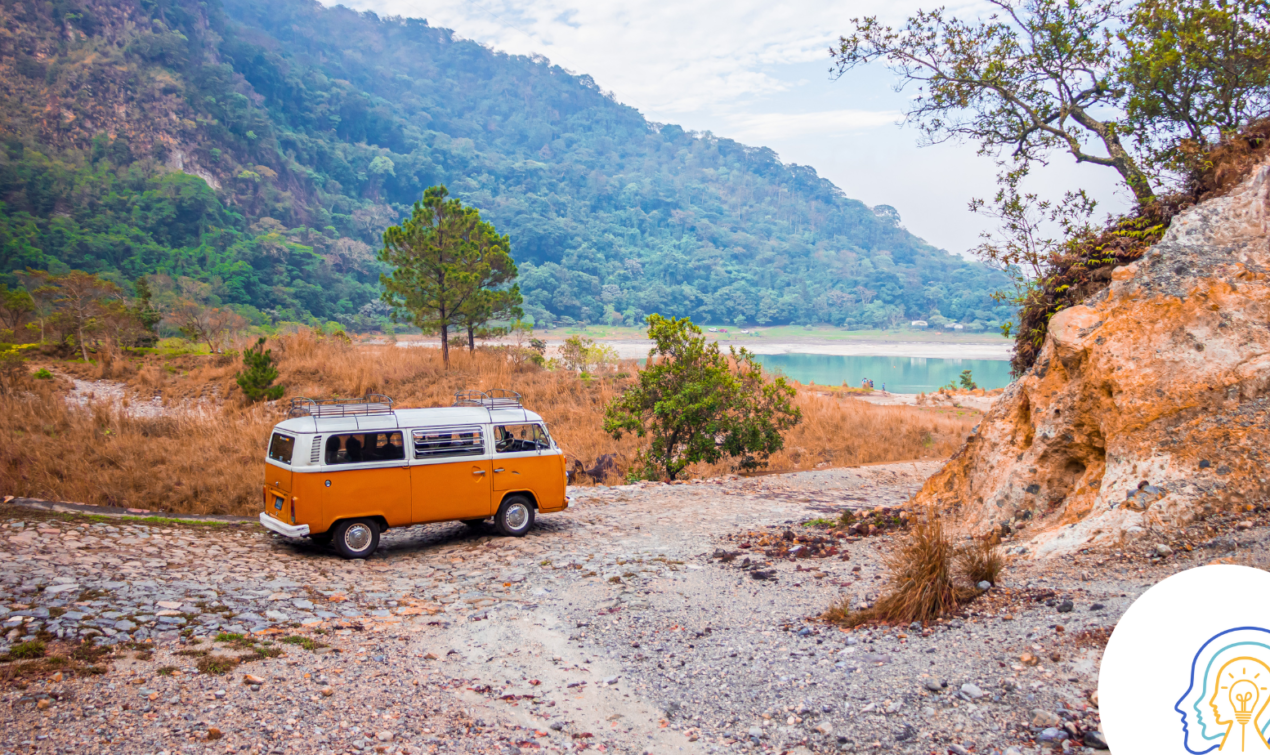
Power is a maths problem, unfortunately
Buying the biggest battery you can afford is not a power plan. Neither is covering the roof in solar panels and hoping for the best.
Power sits near the top of most van life essentials lists, particularly for anyone planning to work on the road. That does not mean every conversion needs the same expensive system.
Write down what you expect to use: fridge, lights, laptop, fan, water pump, phones and anything else that draws power. Note how many watts each device needs and roughly how long it runs. The estimate will not be perfect, but it will expose the difference between charging a phone and using an electric hob every evening.
Solar is useful, especially in bright weather. It is far less impressive in winter, under trees or after several cloudy days. Many practical setups use more than one charging source, combining solar with alternator charging and a mains hook-up at campsites.
Not everything requires an inverter. USB outlets can charge phones and many small devices directly from the DC system, with fewer conversion losses. If your plans include remote work, leave more capacity than the calculation says you need. Meetings tend to happen on the same grey day when the battery refuses to cooperate.
Electrical work needs the correct cable sizes, fuses and isolation. If those words feel unfamiliar, this is not the part of the conversion to learn through trial and error. Ask a qualified installer to design or check it.
Water disappears faster than expected
People often focus on how much fresh water they can carry and forget that every litre adds weight. Large fixed tanks suit some builds; smaller removable containers are easier to fill at an ordinary tap and simpler to clean.
The best size depends on the distance between refill points and how you live. Drinking uses relatively little. Dishes, showers and enthusiastic vegetable washing do not.
Keep drinking water in food-safe containers. Wastewater needs its own tank and a proper disposal point. Emptying soapy water beside a lake is not suddenly responsible because the soap says “biodegradable” on the bottle.
A portable filter can be useful, but only if it is designed for the contaminants you may encounter. It should not create false confidence about an unknown river or tap. When the source is doubtful, check local advice.
The kitchen needs less equipment than most first-time packing lists suggest. A saucepan, a reliable frying pan, a sharp knife and a few utensils will handle a great deal. Add containers that seal properly. Rice scattered across the floor is a surprisingly efficient teacher.
Be cautious with fuel-burning equipment. A camping stove is not a heater, and a charcoal barbecue never belongs inside a van. Carbon monoxide has no smell, and the London Fire Brigade warns that charcoal can keep producing it after a barbecue appears to be extinguished. Any van with combustion equipment should have ventilation, a carbon-monoxide alarm, smoke alarm and suitable extinguisher.


Damp is the quiet enemy
Insulation helps slow heat moving in or out. It does not keep a metal box cool forever in full sun, and it does not warm one during a cold night.
Airflow does much of the unglamorous work. Sleeping, cooking and drying clothes release moisture, which gathers on windows and hidden metal surfaces. Leave it there long enough and bedding starts to smell musty; later, mould appears in corners that seemed perfectly dry.
A roof fan, paired with a window or lower vent, gives air somewhere to travel. Window covers help with privacy and temperature, while a ventilated or slatted bed base lets the mattress breathe. Lift it occasionally and look underneath. Nobody enjoys that inspection, but it is better than finding mould at the end of winter.
Choose the mattress with the same care you would at home. Test the actual bed length with all doors closed. A beautiful van becomes exhausting very quickly if you cannot sleep properly.
Heating also needs a safe, purpose-built solution. Do not sleep with the engine running. The CDC notes that even a small exhaust leak may allow carbon monoxide to collect inside a vehicle. Maintain the exhaust system and act immediately if an alarm sounds.
Not every van needs a bathroom
An indoor shower looks luxurious in a tour video. In daily use, it also occupies space, adds plumbing and creates more moisture. Travellers who move between campsites, gyms and swimming pools may barely use one. For long stays in remote places, the calculation changes.
A toilet is often more valuable than a shower. Portable models are compact but require regular cleaning and approved disposal facilities. Cassette and composting-style toilets involve different routines, yet none removes the need to deal with waste properly.
Think honestly about the route and season. Relying on outdoor showers in a cold, crowded or urban destination is not much of a plan. On ordinary days, a basin of warm water and a cloth can bridge the gap until the next proper shower.
The safety-related van life essentials you hope to ignore
A first-aid kit, torch, fire extinguisher, smoke alarm and carbon-monoxide alarm should be easy to reach. Add the roadside equipment required in the countries you visit, along with basic tools and a method of jump-starting the vehicle. Check batteries and expiry dates occasionally rather than assuming everything still works.
Security is more about layers than a single clever product. Lock the doors, cover the windows and keep electronics out of sight. Extra locks, an alarm and a discreet tracker may help, but no system is unbeatable. Store a spare key and second payment card away from the obvious places.
Roadside assistance can be worthwhile, particularly for an older van or foreign travel. Read the terms first. Some policies limit recovery according to vehicle weight, size or age.
And trust the feeling you get from a place. If you arrive at an overnight stop and something seems wrong, move on. This is one of the reasons to save a second option before sunset.
An app pin is not permission to camp
iOverlander, park4night, Google Maps, The Dyrt and Roadtrippers can help locate campsites, water points and possible overnight stops. Their greatest strength is recent feedback from other travellers. Their weakness is exactly the same: information is added by people and can be incomplete or out of date.
A parking area may appear in an app even though overnight stays are restricted. Access roads close. Residents complain. Rules change between one municipality and the next. Read the newest comments, check signs on arrival and consult the local authority or land manager when the rules are uncertain.
It is useful to pay for a campsite from time to time, even if free camping is part of the appeal. A proper stop provides an opportunity to refill water, dispose of waste, charge the battery and have a shower without calculating how many litres remain.
Before leaving mobile coverage, download maps and save screenshots of bookings, insurance details and useful addresses. Offline copies belong among the less obvious van life essentials: they cost nothing and still work when an app refuses to load. Remote workers should test the connection before settling in. A signal booster may improve weak reception, but it cannot manufacture a network in a dead zone.
Leave places easy for the next van to enjoy
Van life is not automatically sustainable because there is a solar panel on the roof. Driving fewer kilometres, staying longer and buying from local businesses may have a greater effect than collecting eco-friendly accessories.
Dispose of rubbish, grey water and toilet waste where they belong. Keep noise down near houses. Do not spread tables and chairs across an ordinary car park as if it were a private pitch. The Leave No Trace principles are a useful reference even away from hiking trails: prepare properly, minimise damage, manage waste and respect wildlife.
The van life community is helpful when travellers return the favour. Local groups and travel forums can solve very specific problems, from a broken pump to an unexpected road closure. Update old listings when conditions change. Share useful information without turning a fragile place into the next viral camping spot.
In the end, the van life essentials that matter most are not especially photogenic: dry bedding, safe electrics, clean water, moving air and somewhere legal to sleep.
The rest becomes clearer on the road. Take a few short trips. Notice what you keep moving, what you never use and what you wish you had packed. A van does not need to be finished before it can teach you how you want to travel.