10 Essential Solo Backpacking Tips Every Beginner Needs for a Memorable Adventure
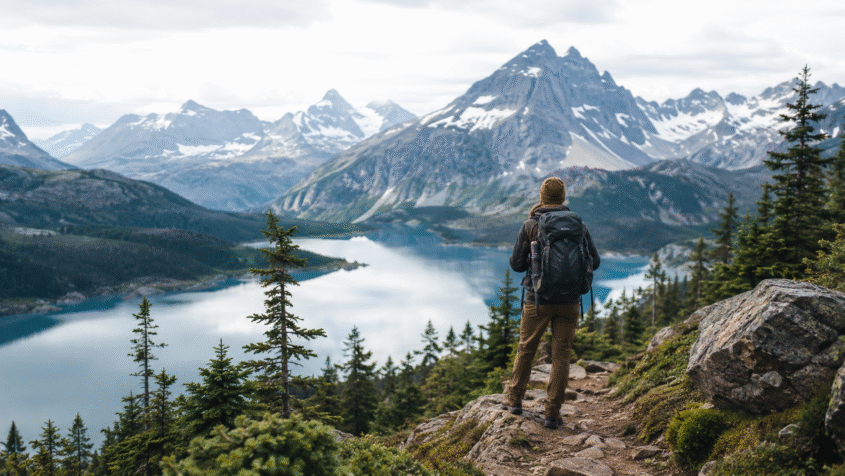
There’s a moment, before your first solo backpacking trip, when the idea suddenly stops feeling romantic.
At first, it sounds incredible. You imagine yourself walking through the trees with your backpack, stopping whenever you want, eating dinner outside, waking up with that quiet morning light on your tent. No schedules. No compromises. No one asking, “Are we there yet?”
Then, usually at night, the other thoughts arrive.
What if I get lost?
What if I forget something obvious?
What if I hear a noise outside the tent and spend the whole night convinced it’s a bear, when it’s probably just a very dramatic squirrel?
Honestly, that fear is not a bad sign. It means you understand that solo backpacking is real. Beautiful, yes. Freeing, yes. But still real.
These solo backpacking tips are not meant to make you feel like you need to become an expert before you leave. Quite the opposite. They’re the things I’d want a beginner to know before stepping onto the trail alone for the first time.

10 Solo Backpacking Tips I Wish Someone Had Told Me
1- Start smaller than your ego wants
A lot of people imagine their first solo backpacking trip as something cinematic. A remote trail, a huge view, no one around for miles, maybe a sunrise that looks like it belongs on a postcard.
Lovely idea. Not always the smartest beginning.
If you’ve never spent time alone outdoors, start with less drama. A solo day hike is enough. A familiar trail for a few hours is enough. Even one night at a campground where there are other people nearby can teach you a lot.
You’ll learn how your mind behaves when no one is talking to you. You’ll notice whether silence makes you calm or nervous. You’ll figure out if you actually know how to set up your tent without someone holding the poles and pretending not to judge you.
And yes, even the backyard counts.
People laugh at backyard camping, but I don’t. If you discover at 1 a.m. that your sleeping pad is awful or that your tent zipper gets stuck, wouldn’t you rather discover it ten steps from your kitchen than six miles from your car?
Small starts are still starts.
2- Pick a trail that already feels a little familiar
For your first overnight solo trip, don’t choose the most mysterious trail on the map.
Choose something you know, or at least something simple. A route you’ve already hiked. A trail with clear signs. A place close enough to home that you don’t feel trapped if your nerves get loud.
There is comfort in recognizing things. The bend in the trail. The bridge. The hill that feels longer than it looks. The spot where the trees open and you can finally see the view.
When you’re alone, your brain has enough to manage. You don’t need to add confusing junctions, strange terrain, and the constant suspicion that you somehow missed a turn twenty minutes ago.
Some people talk as if solo backpacking only counts if you’re completely isolated. I don’t buy that. Especially not in the beginning.
A popular trail on a weekend can be perfect. You still make your own decisions. You still sleep in your own tent. You still get the experience of being responsible for yourself. But you also know other hikers exist somewhere nearby, and that can make the whole thing feel less intense.
3- Research more than you think you need to
This is one of the least glamorous solo backpacking tips, but probably one of the most useful.
Research everything. Then check it again.
Not just the distance and the pretty photos. Look at permits, campsite rules, parking, water sources, food storage, weather, wildlife, fire restrictions, road access, and recent trail conditions.
It sounds boring until it saves your trip.
There’s nothing fun about arriving at a trailhead and realizing you needed a permit months ago. Or finding out that the water source you were counting on is dry. Or discovering that the road to the trailhead is still closed because of snow, even though it’s warm where you live.
Recent information matters. Blog posts from five years ago can be useful, but they won’t tell you if a bridge washed out last week.
Check local hiking groups. Read recent trip reports. Call the ranger station if you’re unsure. I know, calling feels oddly old-fashioned, but rangers often know the exact things you need: whether the road is passable, if there are bear activity warnings, if the creek crossing is sketchy, or if the bugs are currently unbearable.
You don’t need to obsess. You just need to avoid walking into the trip with huge gaps in your knowledge.

4- Tell someone exactly where you’re going
Please don’t skip this one because it feels dramatic.
Before you leave, send your plan to someone you trust. Not a vague “I’m going hiking this weekend.” A real plan.
Tell them where you’re starting, what trail you’re taking, where you expect to camp, where your car will be, and when you expect to be back. Add emergency contacts if needed. If there’s a ranger station or local authority connected to that area, include that too.
Then set a check-in time.
Something simple like: “If I don’t message you by Sunday at 7 p.m., call this number.”
Most likely, nothing will happen. You’ll come back tired, hungry, slightly dirty, and very proud of yourself. But if something does go wrong, someone needs to know where to look.
This is one of those solo backpacking tips that sounds almost too basic, but it can genuinely matter.
5- Pack carefully, not fearfully
Packing alone is weird the first time.
When you go with other people, there’s usually some invisible safety net. Someone has extra matches. Someone brought a better knife. Someone remembered the repair tape. Someone always has too many snacks.
When you go alone, every item is your responsibility.
That doesn’t mean you should pack your entire house.
Beginners often pack from fear, and I get it. You look at an item and think, “Well, what if I need it?” Do that twenty times and suddenly your backpack feels like punishment.
Start with the real essentials: shelter, sleeping bag, sleeping pad, water filter, food, stove or cooking setup, headlamp, first-aid kit, repair kit, layers, rain protection, navigation, toiletries, power bank, and whatever food storage is required in the area.
Then lay everything out on the floor.
Actually look at it.
Some things will clearly belong. Some will be questionable. Some will be there only because your anxiety packed them.
Do a trial pack before the trip. Put everything inside your backpack. Walk around. Adjust the straps. See if you can reach your water, snacks, map, rain jacket, and headlamp without unpacking everything like a person searching for a passport five minutes before boarding.
And test your gear. Please.
Pitch the tent. Try the stove. Check the water filter. Turn on the headlamp. Sleep on the sleeping pad at least once if you can.
The trail is not the best place to discover that your “easy setup” tent is only easy for people with three hands.
6- Don’t trust your phone with your whole life
I love offline maps. I really do. They are one of the best tools we have.
But your phone should not be your only plan.
Batteries die. Screens crack. Apps glitch. Rain happens. Cold weather drains power faster than expected. And sometimes, for no clear reason, technology chooses the exact worst moment to become useless.
Download your maps before you leave. Open them in airplane mode to make sure they actually work. Mark your route, water points, campsites, and possible exits.
Then bring a paper map too.
You don’t need to become a professional navigator overnight, but you should know the basics. Where are you starting? Which direction are you generally moving? What landmarks should you pass? Where would you turn around if something felt wrong?
When you hike with others, it’s easy to let someone else handle all that. Alone, you pay attention differently. You notice the shape of the trail, the sound of water, the ridgeline, the way the light changes.
That awareness is part of the beauty of solo backpacking. It makes you more present.
7- Check the conditions right before you go
Not two weeks before. Not only when you first choose the route.
Right before.
Weather shifts. Roads close. Trails get damaged. Water sources dry up. Fire restrictions change. A storm can turn an easy crossing into a bad idea.
So check again before leaving. Trail status. Road access. Weather. Local alerts. Fire rules. Water availability.
It’s not exciting, I know. It doesn’t feel like adventure. It feels like admin.
But good preparation often feels boring until the moment you realize it saved you from a miserable situation.
And if something looks off, change the plan. That’s not failure. That’s good judgment.
There will always be another trail.
8- Learn Leave No Trace before you need it
Leave No Trace sounds simple, but it matters more when you’re actually out there making choices.
Where do you set your tent? What do you do with food scraps? How far from water should you camp? What happens to your toilet paper? Is it okay to cut across that soft patch of ground? Should you get closer to wildlife for a photo?
When you’re alone, there’s no group discussion. No one reminds you. No one corrects you.
You decide.
The basics are not complicated: stay on durable surfaces, pack out what you pack in, keep food away from animals, respect wildlife, minimize campfire impact, and don’t make the place worse for the next person.
Also, orange peels are not trail decorations. Neither are nutshells, tea bags, or “just a few crumbs.” Pack them out.
A good campsite should look like you were never there.
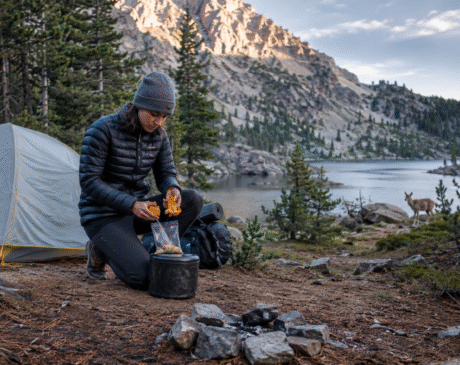

9- Expect to feel weird at some point
This may be the most honest of all the solo backpacking tips.
At some point, you might feel weird.
Not necessarily scared. Just aware. Very aware.
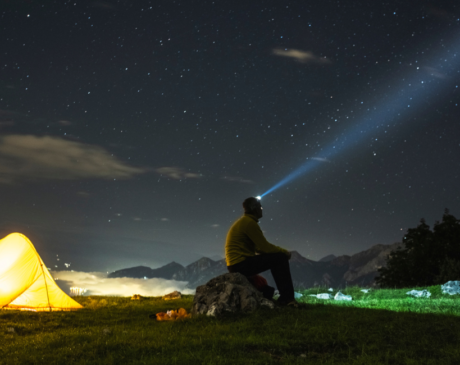
Aware that you’re alone. Aware of every sound. Aware that dinner tastes different when no one is chatting beside you. Aware that the dark outside your tent feels much darker than the dark inside your bedroom.
That doesn’t mean you made a mistake.
The first time you do anything alone, your mind tries to fill the empty space. Sometimes with beautiful thoughts. Sometimes with absolute nonsense.
You may hear a branch crack and immediately imagine a huge animal. You may lie in your sleeping bag wondering why you ever thought this was a good idea. You may miss people for ten minutes and then, suddenly, feel completely peaceful.
Let it pass.
Bring something small that comforts you. A book. Tea. A familiar snack. A playlist downloaded for the drive back. A tiny routine that tells your nervous system, “We’re okay.”
You don’t have to be brave every single second.
10 – Let the first trip be imperfect
Your first solo backpacking trip does not need to become the best story of your life.
Maybe your pack will be too heavy. Maybe you’ll bring food you hate. Maybe you’ll choose a campsite with one very annoying root under your hip. Maybe you’ll forget something small and spend the whole trip thinking, “Next time, I’m making a better list.”
Good. That’s how you learn.
The goal is not perfection. The goal is coming home with more knowledge than you had when you left.
You’ll learn what you actually use. What you packed for no reason. How much water you drink. How early you like to stop. Whether you enjoy cooking at camp or just want the fastest possible dinner. Whether silence relaxes you or takes practice.
And then, if you want, you go again.
A little smarter. A little calmer. A little more yourself.
Quick Solo Backpacking Tips for Beginners
- Start with a solo day hike or a simple overnight close to home.
- Choose a familiar, well-traveled trail for your first trip.
- Research permits, weather, water, wildlife, road access, and recent trail conditions.
- Share your exact itinerary with someone you trust.
- Pack the essentials, but don’t let fear pack for you.
- Test your tent, stove, water filter, headlamp, and sleep system before leaving.
- Use offline maps, but carry a paper map too.
- Check conditions again right before departure.
- Practice Leave No Trace every time.
- Expect some nerves. They don’t mean you can’t do it.
Final Thoughts
Solo backpacking has a way of showing you what you’re capable of without making a big speech about it.
You wake up in your tent, make your coffee or oatmeal or whatever strange breakfast you packed, look around, and realize: you did this. You got yourself there. You handled the little problems. You made the decisions. You spent time with yourself and survived the silence.
Maybe you even liked it.
That’s the real magic.
Not the perfect view. Not the perfect gear. Not the perfect plan.
Just that quiet moment when you understand you can trust yourself a little more than you did before.
So start small. Plan well. Be humble. Be curious. And take these solo backpacking tips with you, not as strict rules, but as a steady hand on your shoulder while you figure it out for yourself.
Your first solo trip doesn’t have to be epic.
It just has to begin.