Art as Medicine: Tumí Johnson on Healing Through Dance and Poetry
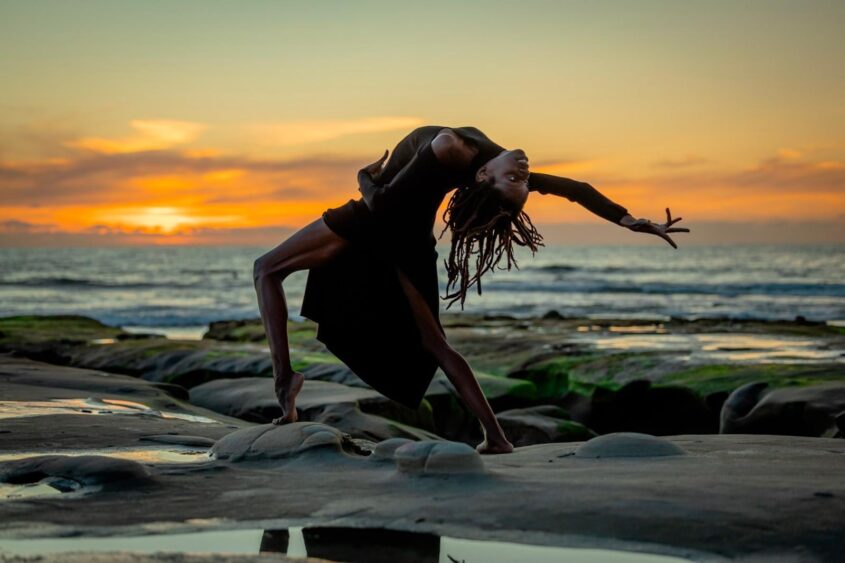
She traveled to Haiti to practice medicine. Then someone asked her to dance. At first, she refused. She was there as a doctor, after all, and the country was still reeling from a devastating earthquake. But what happened when she finally agreed would change the way she understood healing forever.
For Tumí Johnson, the boundaries between science, movement, and poetry have never been quite as clear as we might imagine. A physician, dancer, and poet, she has spent years exploring art as medicine, bringing together experiences that most people would consider separate worlds.
From working with Doctors Without Borders in West Africa to creating her own Healing Poemdances, her journey raises some fascinating questions. Can art reach places that conventional medicine cannot? What does it really mean to heal? And could living a healthier, more fulfilling life begin with something as simple as learning to listen?
In this conversation, Tumí takes us through the experiences that shaped her unusual path, her deeply personal understanding of healing, and the philosophy behind what she calls a “delicious life.”
From Physician and Dancer to Healing Artist
To begin, could you introduce yourself to our readers? Who are you, where did your story begin, and how did your identities as a physician, dancer, and poet gradually come together in your work?
My name is Tumí. I describe my calling as that of a healing artist. I am a dance performer, poet, and physician, and the skills I’ve developed through these three disciplines have beautifully integrated and come together in my work today.
At the heart of my work are my Healing Poemdances, dances crafted from my poetry and my knowledge and experience as a medical doctor. I perform these pieces for people, and they have the power to ignite and propel each viewer’s unique healing process.
I create and perform Healing Poemdances for individuals and communities, and increasingly in art spaces, including galleries and museums, both as live performances and as video installations.
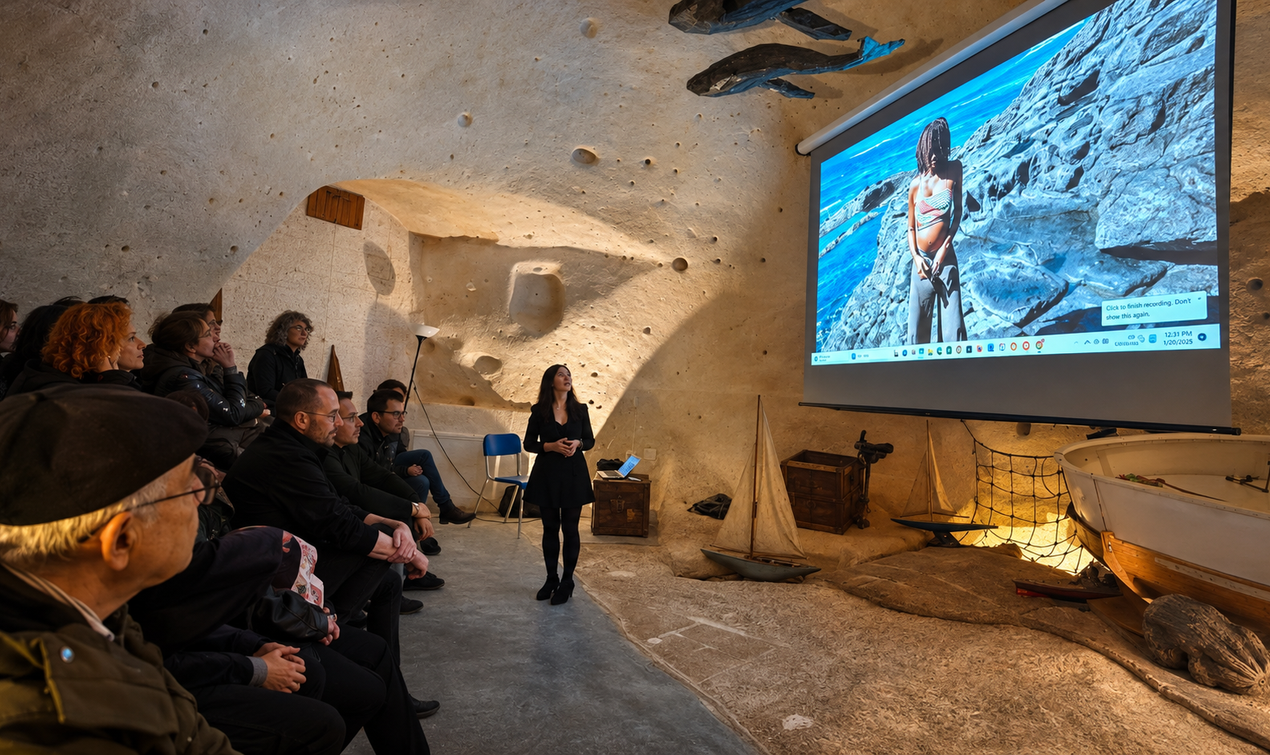
There have been many grace-filled moments in my life that have encouraged me to challenge societal conventions and stop trying to keep my dance, poetry, and healing work separate.
One particularly memorable moment came when I traveled to Haiti to work as a disaster relief physician following the devastating earthquake in 2010.
One of the other relief workers in Haiti had previously seen me dance in New York City. At the time, I was working part-time as a hospitalist and was also a member of a modern dance company in NYC.
This person asked if I would dance for the volunteer staff. I initially refused, adamant that my role there was as a doctor, not a dancer. But eventually, I relented, letting go of my fears about not having rehearsed and the feeling that I should be spending more time working in the hospital during the disaster rather than dancing.
After the performance, I witnessed a powerful outpouring of emotion, catharsis, and healing, expressed through tears and other emotional responses. That experience showed me that my dance was an integral part of the medicine I had to offer.
That moment changed the course of my life and the professional choices I would make moving forward.
Art as Medicine: Lessons From Doctors Without Borders
Your experience as a field physician with Doctors Without Borders in West Africa appears to have been a defining chapter in your journey, particularly in recognizing the power of art as medicine. What did that experience reveal to you about healing, and how did it change the path you chose upon returning home?
Yes, my work as a Doctors Without Borders field physician in Niger was another transformative period in my life. I wrote about this experience in an article titled “Through a Glass, Darkly,” published in the Annals of Internal Medicine.
Two powerful lessons emerged from my time in Niger: first, that food truly is medicine, and second, that art is a powerful healer.
When I returned to the United States, I took a hard look at my own diet and immersed myself in nutritional research. This eventually led me to adopt a raw, plant-based diet.
And I’ve never looked back.
Plant-Based Living and the Meaning of Holistic Healing
Your journey toward plant-based living was also deeply personal, shaped by your experiences with depression, asthma, eczema, and disordered eating. How did navigating these challenges transform your understanding of what genuine healing requires, physically, emotionally, and spiritually?
I explore these experiences in great personal detail in my book, Delicious Healing. But to put it simply, moving through these health challenges taught me that our bodies are truly self-healing vessels, if we allow them to do their healing work.
And allowing the body to heal means avoiding the foods that interfere with its natural healing processes.
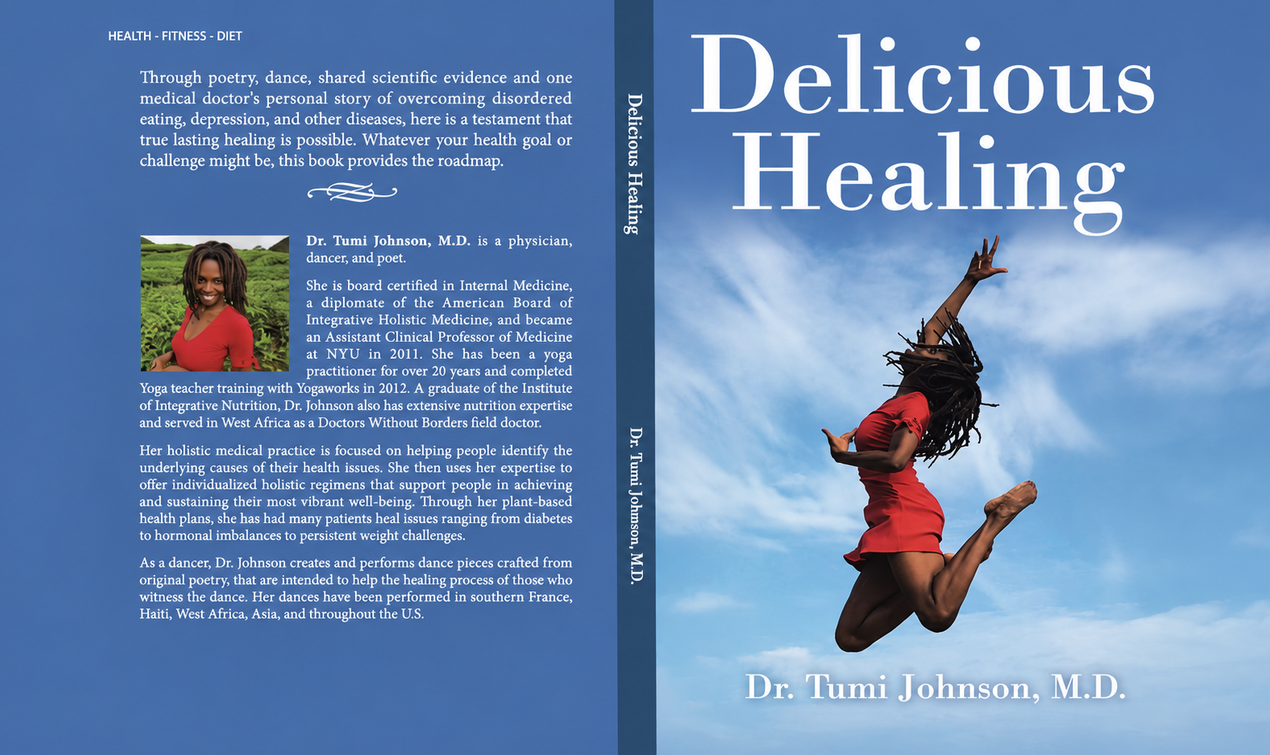
In my personal and professional experience, eliminating or minimizing everything other than whole plant foods in their natural, unprocessed state is the nutritional approach that best supports this process.
My journey has also shown me that addressing food alone isn’t enough.
Healing is about wholeness. It’s about recognizing that we are not just physical beings, but emotional, mental, and spiritual beings as well.
Nurturing all these aspects of ourselves is essential for true healing.
- Curious about the nutritional side of raw, plant-based eating? Explore our guide to the raw food diet, including its potential benefits, risks, and practical considerations.
Inside the Creative Process of Healing Poemdances
Your Healing Poemdances combine original poetry, movement, and your knowledge as a physician. Could you take us inside your creative process? When you describe art as medicine, what do you hope becomes possible for someone witnessing one of your performances?
My creative process is about transmission.
It begins with what I experience as a download from Spirit, a message about healing, love, or beauty that is meant to be transmitted through my body to uplift a particular person, a community, humanity, other beings, or the planet.
These downloads might begin as an idea, the words of a poem, a dance movement, or some combination of these. And then I simply start moving, literally.
I dance, preferably barefoot and in Nature. This is a key part of my creative process.
The dance movements begin to inform the poetry, and I gradually weave my own experiences, my knowledge of anatomy and physiology, and more ancient medical understandings into both the movement and the words.
Throughout this process, I try to remember to breathe intentionally and trust what is unfolding.
After weeks or sometimes months, the Healing Poemdance takes shape and becomes the medicine it is meant to be, something that can now be experienced in the physical world through my performance.
My hope, whenever someone witnesses one of my Healing Poemdances, whether live or on video, is that they feel the transmission of love, beauty, and healing that flows through my body and the art itself.
I hope the experience awakens the healer within them, allowing their own healing potential to emerge.
It has been a joy to see this hope fulfilled time and time again through the responses of people who have witnessed my Healing Poemdances.
And I say this with complete humility. This work does not come from my ego. It is a transmission, and I feel blessed to be its conduit.
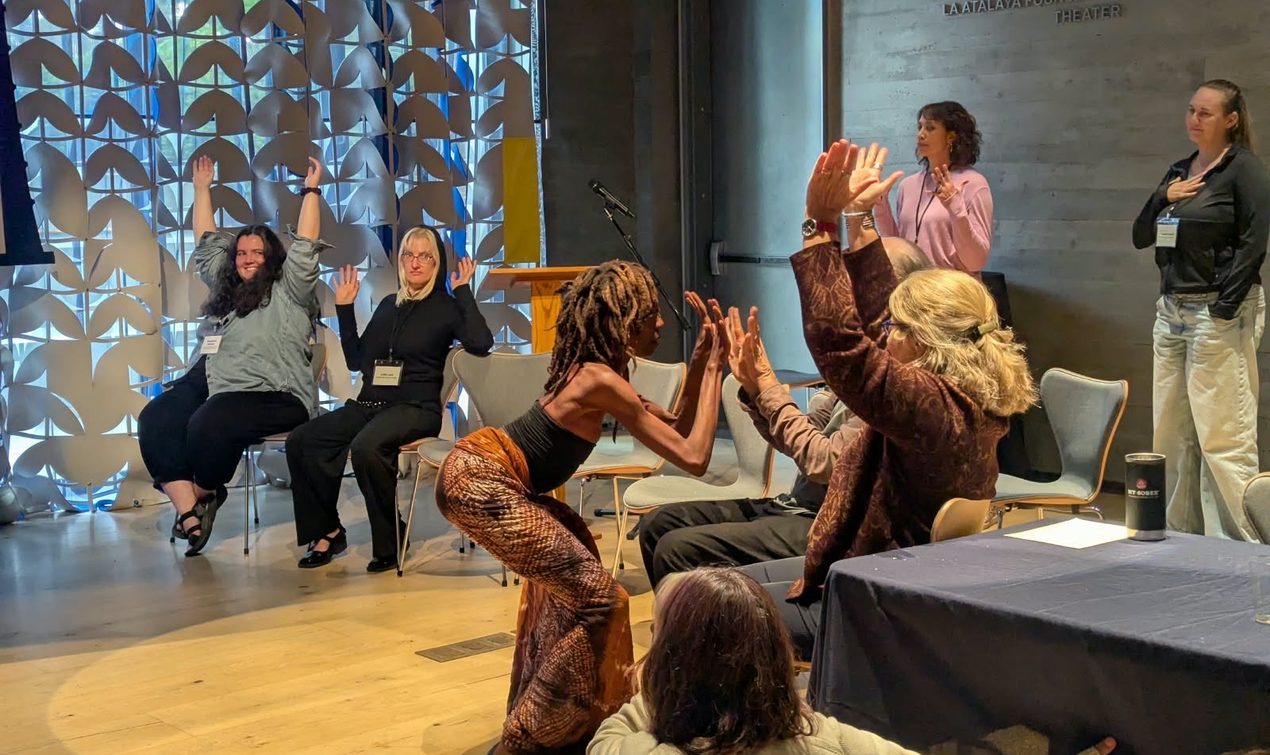
Scientific Evidence and Listening to the Body
As a physician and holistic health practitioner, you move between scientific evidence and the wisdom we can access by listening to the body. How do you bring these perspectives together while honoring the fact that every person has a different history, body, and set of needs?
I don’t see scientific research and the body’s wisdom as contradictory. In fact, I believe they complement each other beautifully.
The way I balance these perspectives is by turning to scientific studies when appropriate, always with a discerning eye, because there is a great deal of poorly conducted research out there.
Then, I return to my own very wise body and ask, “What resonates here?”
And I get quiet and listen.
The Practice of Living a Delicious Life
The idea of “Delicious Healing” and living a “delicious life” runs throughout your work. What does a delicious life mean to you today, and what small but meaningful practice would you invite our readers to begin with?
For me, living a delicious life today means practicing integrity, making sure my values, words, and actions are all in alignment.
It also means savoring the journey of this wild and beautiful gift of life by cultivating a practice of unrushed presence.
That’s delicious.
- The idea of slowing down and being fully present also runs through our conversation with Susanna Heiskanen about slow living, where she shares how small, mindful choices can shape a more intentional life.
Thank You, Tumi!
We would like to sincerely thank Tumí Johnson for taking the time to share her story, experiences, and personal reflections with us. Her journey reminds us that healing can take many forms and that sometimes the most meaningful discoveries happen when we allow different parts of ourselves to come together.
If you’d like to learn more about Tumí’s work, discover her Healing Poemdances, and follow her journey as a physician, poet, and dance performance artist, visit her official website or connect with her on Instagram and Facebook.
The views shared in this interview reflect Tumí Johnson’s personal experiences and professional perspective. They are not intended to replace individualized medical or nutritional advice.