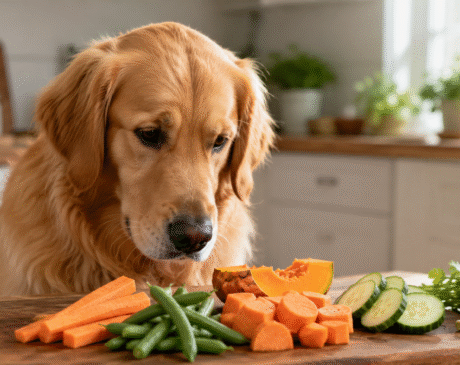
Raw vs Cooked Meat for Dogs: Pros, Risks and How to Choose the Best Diet
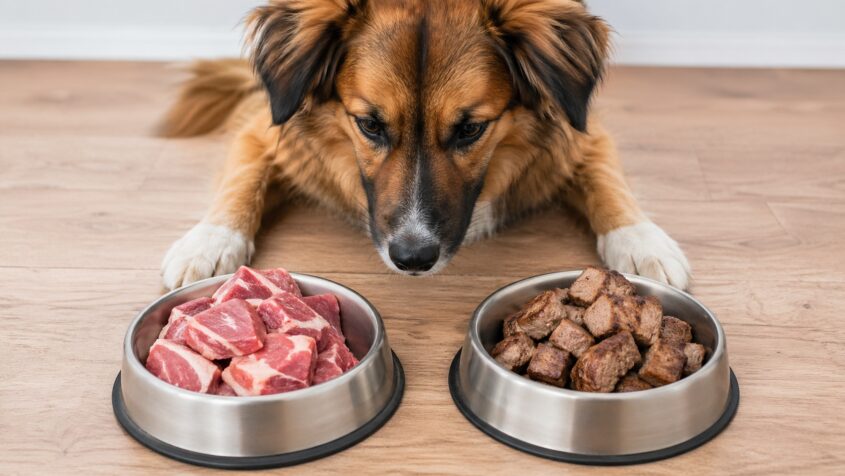
Raw vs cooked meat for dogs: discover benefits, risks, and expert tips to choose the safest and healthiest diet for your dog.
Raw vs cooked meat for dogs: which is the best choice?
Raw vs cooked meat for dogs is one of the most debated topics in canine nutrition. Many dog owners want to provide the most natural and healthy diet possible, but choosing between raw and cooked meat is not always straightforward.
Both options come with benefits and risks. Understanding how they affect your dog’s health, digestion, and safety is essential before making a decision.
Raw meat for dogs: benefits and nutritional value
One of the main reasons why owners consider raw feeding is nutritional integrity. Raw meat retains its natural enzymes, amino acids, and vitamins, many of which are partially lost during cooking.
Dogs fed a raw diet are often reported to have:
- shinier coats
- improved energy levels
- better digestion
These benefits are frequently shared by owners, although they remain largely anecdotal rather than universally proven.
However, when discussing raw vs cooked meat for dogs, nutrition is only one side of the equation.

Risks of feeding raw meat to dogs
Raw meat carries potential health risks that should not be underestimated.
Most meat sold for human consumption is intended to be cooked. This means harmful bacteria such as Salmonella, E. coli, and Listeria may still be present.
Dogs consuming raw meat may be more exposed to:
- gastrointestinal issues
- bacterial infections
- parasite transmission
The common belief that dogs can safely handle raw meat like wild animals is only partially accurate. Domestic dogs have evolved alongside humans and often have more sensitive digestive systems.

How to make raw meat safer for dogs
If you choose raw feeding, proper handling is crucial.
Freezing raw meat at -18°C for at least 48 hours helps reduce the risk of parasites and some pathogens. While it does not eliminate all bacteria, it is an important safety step.
Hygiene is equally important:
- store meat correctly
- clean preparation surfaces
- avoid cross-contamination
When evaluating raw vs cooked meat for dogs, these precautions can make a significant difference.
What type of meat is best for dogs?
Dogs do not require premium cuts. In fact, lean and simple options are often better.
Suitable choices include:
- chicken and rabbit for smaller dogs
- lean beef, lamb, or goat for larger breeds
Butchers’ offcuts can be a cost-effective and nutritious solution, provided they are fresh and properly handled.
A balanced diet: meat is not enough
A common mistake in raw feeding is offering only meat.
Even in a raw-based diet, meat should not exceed 75% of the total meal. Dogs benefit from a more balanced intake that includes:
- easily digestible carbohydrates such as rice or oats
- vegetables for fiber and digestion
- small portions of fruit, when safe
Avoid foods known to be toxic, such as grapes, and limit ingredients that may irritate sensitive stomachs.
Organ meats: nutrient-rich but higher risk
Organ meats such as liver and kidney are extremely rich in nutrients, but they also present higher risks when fed raw.
They are more prone to contamination and should always be:
- sourced carefully
- frozen before use
- given in moderation
Some owners prefer to cook organ meats to reduce risk, which can be a safer alternative.
Cooked meat for dogs: a safer alternative
Cooked meat is generally considered the safer option.
Light cooking, such as searing meat briefly on both sides, can:
- eliminate most surface bacteria
- preserve a good portion of nutrients
- improve texture and digestibility
This approach offers a practical compromise for those concerned about raw feeding risks while still wanting a fresh diet.
How much meat should dogs eat?
Portion size is essential, regardless of whether the meat is raw or cooked.
A simple guideline is:
- meat: up to 75% of the meal
- remaining portion: carbohydrates and vegetables
An example meal could include:
- 75 g of lean meat
- 15 g of rice
- 10 g of vegetables
Adjust quantities based on your dog’s size, age, and activity level.
Special cases: when diet needs to be tailored
Not all dogs respond the same way to diet.
Puppies, senior dogs, and breeds with specific health conditions may require tailored nutrition plans. Some breeds, such as Dalmatians, have particular sensitivities to certain proteins.
In these cases, consulting a veterinarian or a canine nutrition specialist is strongly recommended.
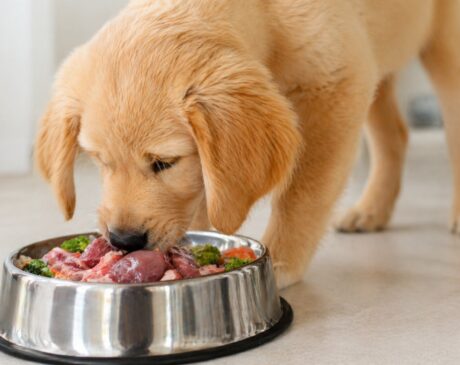

Raw vs cooked meat for dogs: final considerations
When it comes to raw vs cooked meat for dogs, there is no universal answer.
Raw meat offers maximum nutritional preservation but comes with higher safety risks. Cooked meat provides greater safety, with a slight reduction in nutrient content.
The best choice depends on your dog’s needs, your ability to manage food safely, and your personal level of comfort with risk.
A well-informed, balanced approach will always be more important than following trends.