Essential Pet Accessories Every New Pet Owner Needs
There is a particular kind of shopping panic that sets in just before a new pet comes home. Suddenly, an ordinary water bowl doesn’t look good enough. There are beds in five shapes, toys promising to prevent boredom and gadgets that serve dinner from your phone. Filling a cart is easy. Knowing what your pet will use is harder.
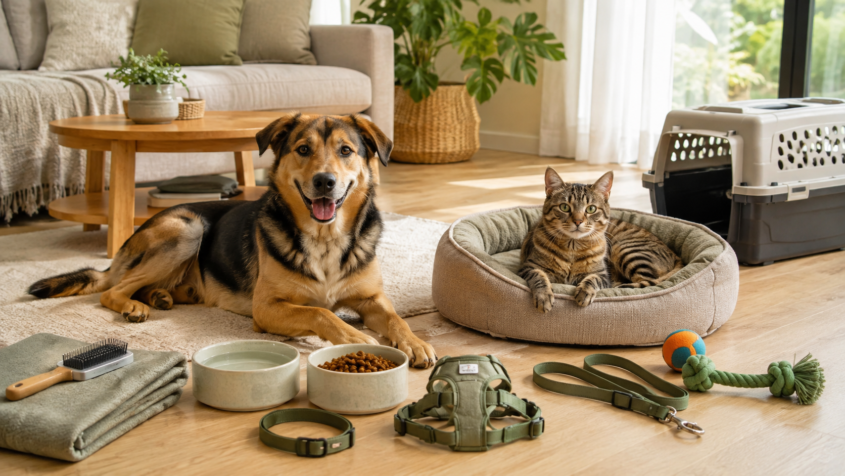
In reality, the list of essential pet accessories is fairly short. A dog or cat needs somewhere to sleep, suitable feeding equipment, safe transport, grooming supplies and a few toys. Everything else can wait until you know the animal sharing your home.
Here’s what is worth buying first—and what to look for when you do.
Begin With the Pet in Front of You
Generic starter kits look convenient, but pets aren’t generic. Even two dogs of a similar size can have different needs. One might destroy soft toys in minutes; the other may carry the same toy around for years.
Age, size, coat, health and temperament influence your list. So does your routine. A family dog that regularly hikes will eventually need outdoor gear. An indoor cat may get more value from a tall scratching post than another bed.
Buy the basics, then pause. A week of observation will tell you more than an afternoon spent reading product descriptions.

Bowls and a Sensible Feeding Setup
Choose bowls that are stable, washable and appropriate for your pet’s size. Stainless steel and ceramic are popular because they clean easily. Check ceramic regularly for chips or cracks.
A kitten may struggle with a deep dish, while a large dog can send a lightweight bowl skidding across the kitchen. Comfort matters more than how it looks beside the cabinets.
An airtight container is useful for dry food. You’ll also need something to measure portions; a kitchen scale is more accurate than guessing with a cup. A washable mat helps with messy drinkers.
Slow feeders, automatic dispensers and fountains can be useful, but they aren’t essentials. Wait until there is a reason to buy one.
A Bed—Without Expecting Instant Gratitude
Every pet needs a quiet place to rest. It could be a padded bed, flat mat or blanket in a protected corner. Look for washable materials and enough room to stretch naturally.
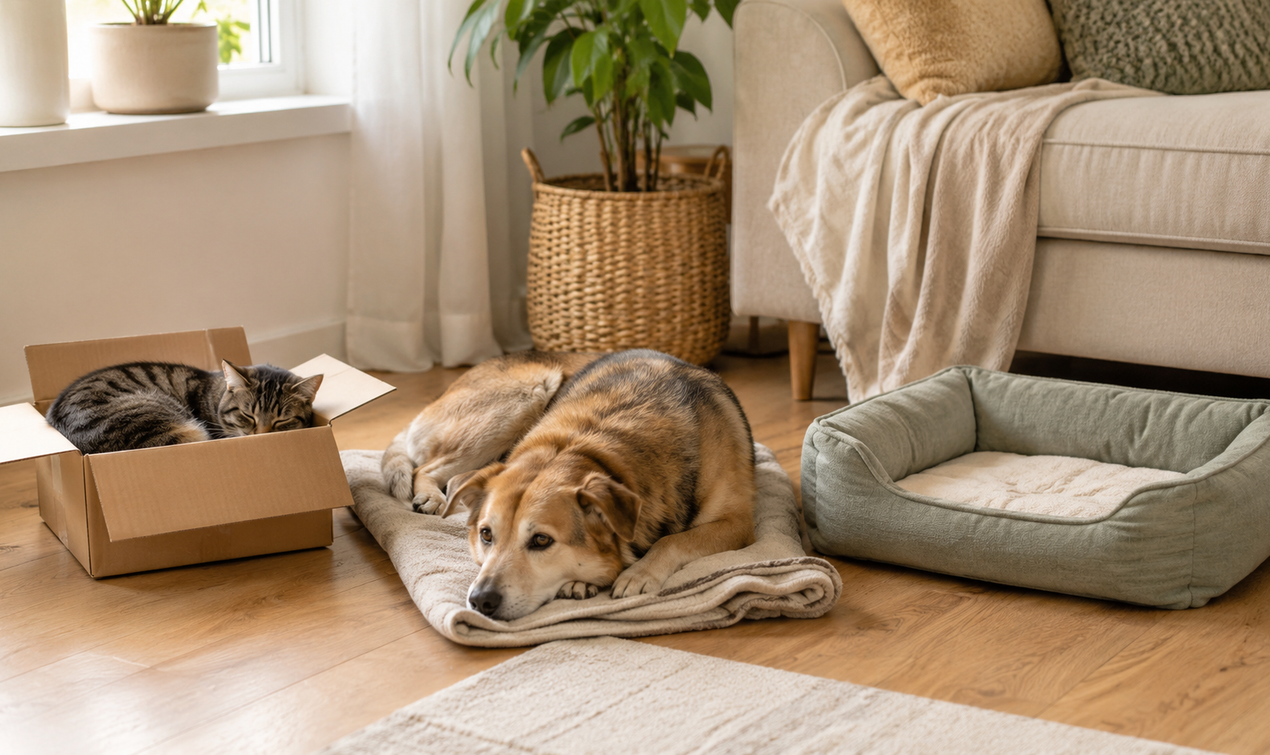
Don’t be offended if it’s ignored. Cats often prefer the cardboard box it arrived in, and some dogs need time to settle. Location can matter more than price, so try moving the bed before replacing it.
Senior pets may need a supportive bed with a low entrance. For puppies and kittens, a washable cover is more valuable than luxurious fabric.
Walking, Identification and Safe Transport
For a dog, the first outdoor kit consists of a collar or harness, leash, identification tag and waste bags. Fit is the priority: the equipment shouldn’t rub, restrict normal movement or become loose enough for an escape.
Sizing varies between brands, so measure your dog instead of relying on “small” or “medium”. Recheck the fit as a puppy grows or an adult’s weight changes.
Cats still need a secure carrier for veterinary visits, travel and emergencies. Choose one that is sturdy, ventilated and easy to open. Front and top openings can make handling less stressful.
Leave it open at home with a familiar blanket inside. That way, it becomes furniture rather than the mysterious box that appears before an appointment.
In the car, use equipment designed for animal transport rather than letting your pet move freely.
The Grooming Basics You’ll Actually Use
You don’t need a grooming salon at home. Start with a brush suited to the coat, animal-safe shampoo, nail clippers and dental-care products. Cats also need a litter box, scoop and suitable litter.
The wrong brush can pull without removing much hair, so ask a groomer what works for your pet’s coat. If you’ve never trimmed nails or cleaned ears, ask an experienced person to show you first.
Litter box size and position matter. Your cat should be able to turn comfortably, in a place that is accessible and quiet.
Don’t substitute human toiletries. Products formulated for people aren’t automatically safe for pets.
A Few Good Toys Beat a Floor Full of Them
Play gives dogs opportunities to chew, chase, sniff and solve problems. Cats need appropriate outlets for stalking, pouncing, climbing and scratching.
Don’t buy a mountain of toys yet. For a dog, start with a durable chew, something for playing together and perhaps a food puzzle. For a cat, try a wand, scratching surface and lightweight chase toy.
Watch how your pet plays. Check toys for damage and remove loose strings, exposed stuffing or broken parts. Feathers, cords and detachable elements may require supervision.
A useful trick costs nothing: rotate the selection. Toys often regain their appeal after a few days out of sight.
Make the Home Safe Before Adding More Products
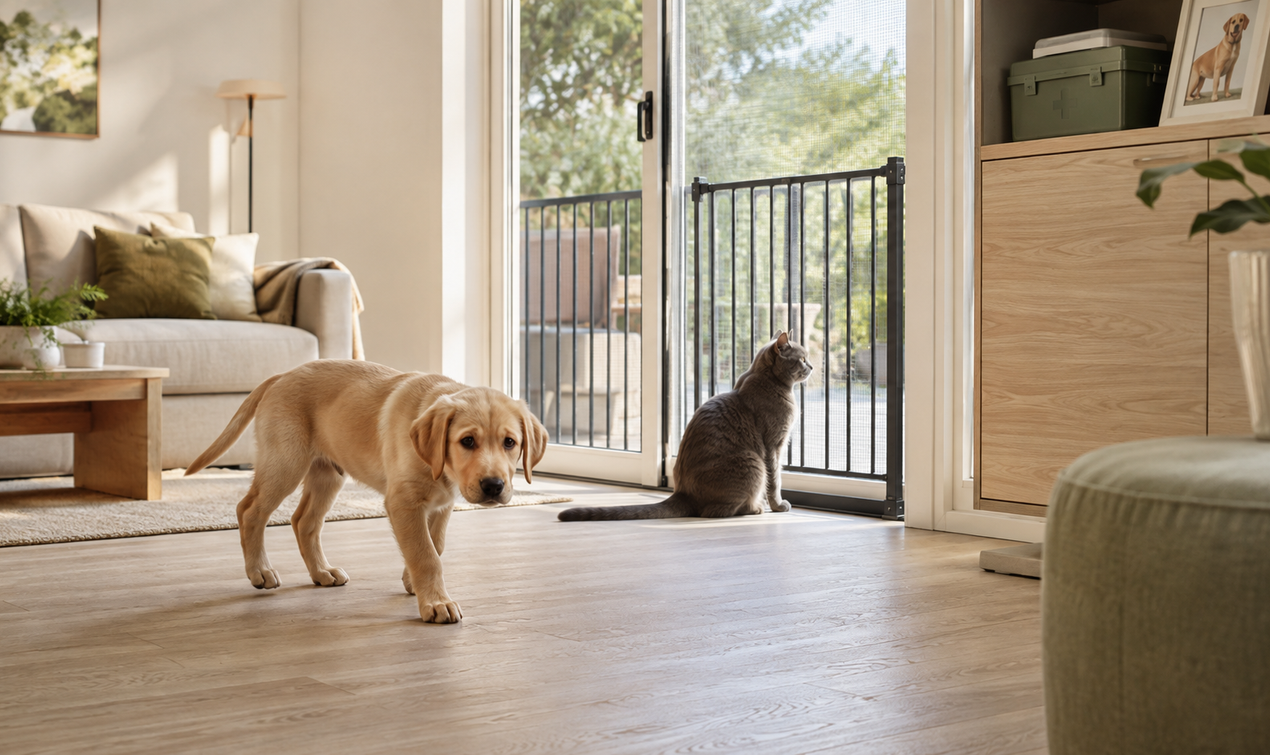
Some important preparations don’t involve shopping. Move medicines, cleaning products, cables and small objects out of reach. Check windows, balconies, fences and gates from the animal’s level. A small gap could become an exit route.
Keep veterinary contacts and medical records together. A small care kit can hold prescribed medication and first-aid items recommended by your clinic, but it doesn’t replace professional advice.
Keep microchip details updated and save a clear, recent photograph. Searching through blurry phone pictures during an emergency is the last thing anyone wants.
How to Recognize Better Pet Accessories
Higher price doesn’t guarantee quality. Are the seams strong? Do clips close securely? Could small pieces come loose? Can the product be washed without becoming unusable?
Good pet accessories fit the animal, suit their life stage and perform a clear job. Reviews may expose sizing or durability problems, but they can’t predict what will work for your pet.
For products connected to mobility, feeding, dental care or a health issue, veterinary advice is worth more than enthusiastic customer ratings.
The Short Version: What Should You Buy First?
For a dog, begin with bowls, food storage, bed, collar or harness, leash, identification tag, waste bags, grooming tools and a few safe toys. Add suitable car equipment if you’ll travel together.
For a cat, start with bowls, a resting place, litter box and scoop, carrier, scratching surface, grooming tool and interactive toys.
Pet cameras, automatic feeders, multiple beds and clothing can wait until they solve an actual problem. There’s no prize for having everything on day one.
Choose quality over quantity and leave room for personality. Soon you’ll know whether that stylish cat cave is a perfect hiding place or expensive untouched furniture. That knowledge turns a generic list into a home that works for your pet.

Frequently Asked Questions
What are the most essential pet accessories for new owners?
Every pet needs suitable bowls, a safe resting area, identification, grooming and hygiene supplies, transport equipment and a few toys. Dogs also require walking equipment, while cats need a litter box, carrier and scratching surface.
Should I buy all my pet supplies before adoption?
Buy the basics in advance, but wait before purchasing optional products. Once your pet is home, you can observe their habits, preferences and any individual needs instead of guessing.
How often should collars, harnesses and toys be replaced?
There is no fixed schedule. Inspect them regularly and replace anything that is damaged, difficult to clean, no longer fits or could present a safety risk.
Are expensive pet products better?
Not necessarily. Materials, fit, construction and usefulness matter more than the brand or price. A simple, well-made product is often a better purchase than a feature-packed item your pet won’t use.