Gut Health After Cancer: Luchi Ajoku on Faith and Recovery

Breast cancer survivor Luchi Ajoku shares how gut health, faith, and community shaped her journey toward self-care and wellness after cancer.
“You did not fail at wellness because you became sick. Illness is not a moral failure, and a diagnosis should never become a reason to blame yourself.”
For Luchi Ajoku, surviving breast cancer twice changed much more than her understanding of physical health. It reshaped her relationship with her body, her priorities, and the way she approaches everyday wellness.
Her interest in gut health after cancer eventually led her to become a certified gut health coach and create Gut Health with Luchi, a platform focused on helping women make informed decisions about their well-being.
- Digestive wellness is also a topic we’ve explored through our interview with Alessia Ingrasciotta on the Low FODMAP diet, which looks at a different approach to managing digestive concerns.
But her journey goes beyond nutrition and digestive health. Through Diary of a Breastie and HikeHER, Luchi also explores the importance of faith, storytelling, movement, and meaningful human connection.
In this interview, she reflects on breast cancer survivorship, her G.U.T.S. philosophy, and why caring for your body should never become another pursuit of perfection.
From Breast Cancer Survivor to Gut Health Coach
To begin, could you introduce yourself to our readers? Who were you before cancer became part of your story, how did your experience as a two-time breast cancer survivor change you, and how was Gut Health with Luchi born?
I’m Luchi Ajoku, a two-time breast cancer survivor, certified gut health coach, wellness content creator, and founder of HikeHER, a Christ-centered women’s hiking and wellness community.
But before all these titles, I was simply a woman living her life, building her career, chasing goals, and making plans for the future.
Like many women, I was ambitious, constantly working toward the next milestone and believing that as long as I was doing everything I was supposed to do, life would somehow go according to plan.
Then cancer happened.
I was diagnosed with breast cancer during an incredibly difficult time in my life, when I was also grieving the loss of my mother to cancer. And just when I thought I had made it through the worst of it, the cancer came back.
I don’t think anything can prepare you to hear those words once, let alone twice.
Cancer changed my relationship with my body, my priorities, and ultimately my understanding of what it means to be healthy.
Before cancer, I think I viewed health primarily through the lens of what we could see on the outside. But my experiences pushed me to start asking deeper questions about what was happening inside our bodies, including nutrition, digestion, inflammation, stress, and the everyday habits that influence our well-being.
That curiosity eventually led me to study gut health and become a certified gut health coach. And that’s how Gut Health with Luchi was born.
Interestingly, I never set out to become a wellness content creator. I set out to understand my body and take better care of it.
But the more I learned, the more I realized how many women were dealing with similar questions without knowing where to begin. So I started sharing what I was learning, what I was trying, and what I wished I had understood earlier.
Today, Gut Health with Luchi is about helping women become more informed and intentional about their health through practical, evidence-informed wellness education.
I can’t control everything that happens to my body, and cancer certainly taught me that. But I can be intentional about how I care for it. And that’s the message I hope women take away from my story.
Gut Health After Cancer: Learning to Care for a Changed Body
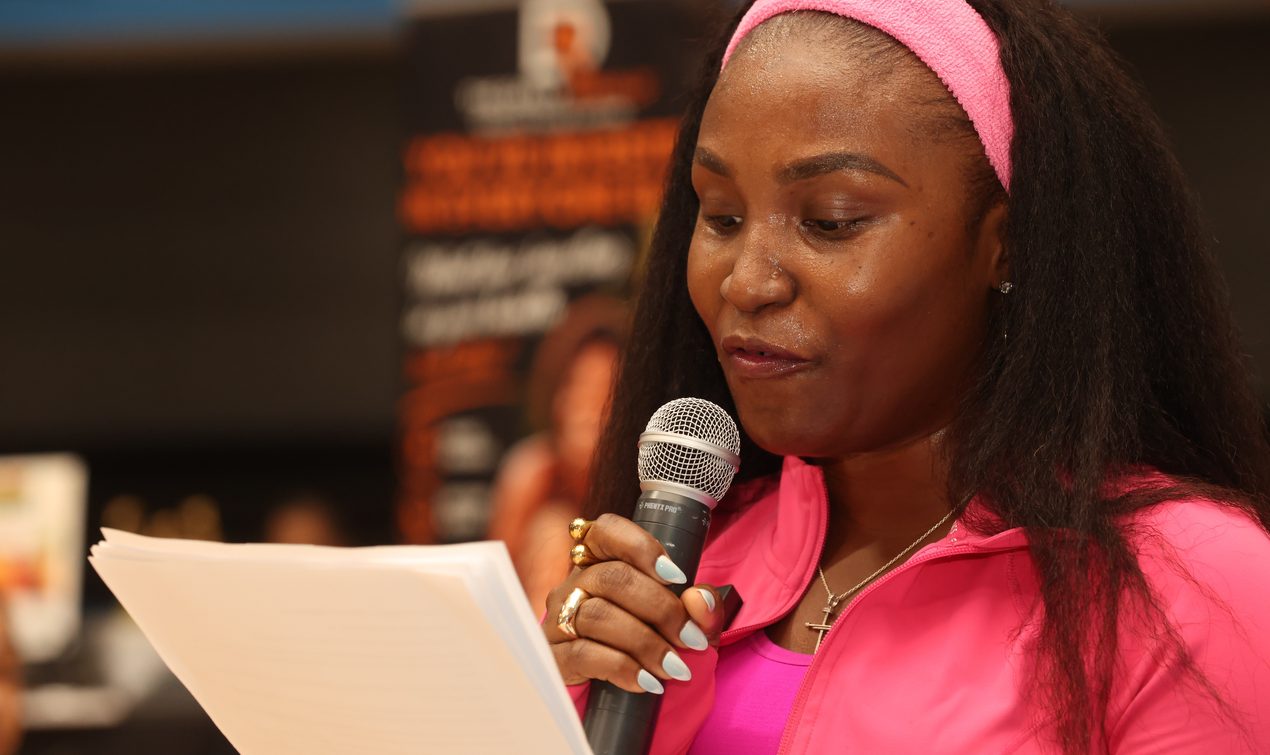
Many survivors complete treatment while still learning how to live in a body that feels different. At what point did gut health become an important part of your own wellness journey, and what do you wish more women understood about caring for themselves after treatment?
One thing people don’t always talk about is that cancer doesn’t simply end when treatment ends. There’s an entire chapter afterward that involves getting to know your body all over again.
Your body may look different. It may feel different. Your energy levels, digestion, hormones, and even the way you experience everyday life may change.
And sometimes, everyone around you is ready for you to move on while you’re still trying to figure out what your new normal looks like.
For me, gut health became increasingly important as I started paying closer attention to how my body responded to food, stress, medications, and my daily routines.
I became fascinated by the relationship between the gut and other aspects of wellness, particularly digestion, immune function, and the gut-brain connection.
But I also learned something important: taking care of your gut isn’t just about drinking green juice, taking probiotics, or buying expensive supplements. It’s about understanding your individual needs and building habits that support your overall well-being.
And this is something I wish more women understood, particularly after cancer: your body has been through something significant. It deserves care, not punishment.
Sometimes we become so focused on getting back to who we were before our illness that we forget to acknowledge the person we’re becoming.
I don’t believe wellness after cancer should be about trying to control every possible outcome. That can become exhausting, especially when you’ve already experienced something that reminded you just how much is outside your control.
Instead, I encourage women to approach wellness with curiosity and compassion. Learn about your body. Pay attention to how you feel. Nourish yourself. Move in ways that feel supportive. Prioritize rest. Ask questions during your medical appointments.
Most importantly, understand that recovery and survivorship aren’t necessarily linear. You can be grateful to be alive and still feel frustrated by the changes in your body. Both feelings can exist at the same time.
Faith, Self-Care, and the G.U.T.S. Philosophy
Your G.U.T.S. Method stands for “God’s Ultimate Temple Stewardship.” How do faith, gut health, and everyday self-care come together within this approach, and how do you help women care for their bodies without turning wellness into another pursuit of perfection?
My G.U.T.S. philosophy stands for God’s Ultimate Temple Stewardship, and it comes from my belief that our bodies are gifts from God that we’ve been entrusted to care for.
As a Christian, the passage in 1 Corinthians 6:19–20, which reminds us that our bodies are temples of the Holy Spirit, has always resonated deeply with me. But my understanding of that scripture has evolved over the years.
Stewardship isn’t about having the perfect body, following the perfect diet, or never missing a workout. It’s about being intentional with what we’ve been given.
For me, that includes nourishing my body with wholesome foods, supporting my digestive health, staying physically active, managing stress, making room for rest, and nurturing my relationship with God.
And here’s where I think wellness culture sometimes gets it wrong. We’ve turned taking care of ourselves into another measure of performance.
You have to wake up at 5 a.m., drink a certain amount of water, hit 10,000 steps, take all the supplements, eat perfectly, and somehow do all of that while managing your career, relationships, and everything else life throws at you. That’s exhausting!
I don’t believe God intended for taking care of our bodies to become another source of anxiety.
There’s a difference between discipline and obsession. Discipline comes from a desire to care for yourself. Obsession can come from the fear that you’re never doing enough.
My approach is about helping women build sustainable habits that fit their actual lives. And I also believe that faith and medical care can coexist. Praying for healing and seeking appropriate treatment are not mutually exclusive.
Ultimately, stewardship is not about perfection. It’s about intention. You don’t have to do everything right every single day to be someone who takes her health seriously. You simply have to keep showing up for yourself, with grace.
Cancer Survivorship, Nutrition Advice, and Medical Guidance
People navigating life during or after cancer are often confronted with conflicting nutrition advice, supplements, and promises of quick healing. How do you encourage women to remain curious and proactive while respecting medical guidance and their individual needs?
If there’s one thing I know about navigating cancer, it’s that everybody suddenly becomes an expert on what you should eat, what you shouldn’t eat, which supplements you should take, and what supposedly caused your illness.
And when you’re dealing with something as serious as cancer, those conversations can become incredibly overwhelming. I understand why people search for answers. I’ve been there.
When you’ve experienced something that makes you feel like you’ve lost control of your body, it’s natural to want to know everything you can possibly do to protect yourself.
But I’ve learned that being proactive about your health doesn’t mean believing every wellness claim you come across. In fact, I think true empowerment comes from learning how to ask better questions.
What does the research actually say? Is there good evidence supporting this recommendation? Is it appropriate for my medical history? Could this supplement interfere with my medications? Those questions matter.
As a gut health coach, I’m passionate about education, but I’m also very intentional about respecting the boundaries between wellness coaching and medical treatment. Food, movement, sleep, and stress management can play meaningful roles in supporting our health, but they are not substitutes for cancer treatment.
I also believe in taking an individualized approach. What works for one woman may not be appropriate for another, especially when we’re talking about cancer survivors who may be dealing with different diagnoses, treatments, medications, and long-term side effects.
I encourage women to work with their medical teams, including registered dietitians when appropriate, and to communicate openly about any supplements or significant dietary changes they’re considering.
And I always remind women that wellness should empower them, not make them feel responsible for everything that happens to their bodies.
You did not fail at wellness because you became sick. Illness is not a moral failure, and a diagnosis should never become a reason to blame yourself.
We can make informed choices that support our well-being while acknowledging that not everything is within our control.
Beyond Gut Health: How HikeHER and Community Support Healing
Your work extends beyond gut coaching through Diary of a Breastie and HikeHER. What connects these different projects, and what have storytelling, movement, and community taught you about healing that individual health advice alone cannot provide?
At first glance, Gut Health with Luchi, Diary of a Breastie, and HikeHER might look like three completely different projects. But to me, they’re connected by one common thread: helping women navigate life with greater intention, connection, and hope.
Diary of a Breastie came from my desire to share the realities of living through cancer and navigating survivorship. Not just the medical side, but also the emotional, physical, and deeply personal experiences that don’t always come up in conversations about cancer. I’ve learned that when one woman tells her story honestly, another woman often realizes she’s not alone.
The story behind HikeHER is particularly close to my heart because I wasn’t even an avid hiker before I started it. I had hiked a few times, and what I remembered most was the joy of simply being in nature: breathing in the fresh air, hearing the sounds of nature around me, and feeling the stillness that comes when you step away from the noise of everyday life.
During cancer treatment, there were moments when I could barely do even the smallest things for myself. I felt so physically limited, and I missed feeling strong and capable.
Thankfully, I lived close to a park, and a family member would take me there. Sometimes, all I could do was sit. The park had a body of water and a waterfall, and I remember listening to the flowing water and the sounds of nature. I didn’t have to accomplish anything. I didn’t have to be strong for anyone. I could just sit, breathe, and take it all in.
Those moments were incredibly soothing to my heart. Being outside helped me feel powerful again, even during a time when so much felt beyond my control. There was something restorative about being surrounded by God’s creation.
And I made a promise to God: I wanted to give other women the opportunity to experience that same peace, joy, and sense of connection.
That’s really how HikeHER was born. Not because I was some expert hiker, but because I had experienced what being in nature could mean to someone going through a difficult time, and I wanted to create a space where faith and wellness could coexist.
I believe there is beauty in God’s creation, and there is also healing to be found in that beauty: emotional comfort, spiritual renewal, and the reminder that life still holds wonderful things. Hiking became an expression of that belief.
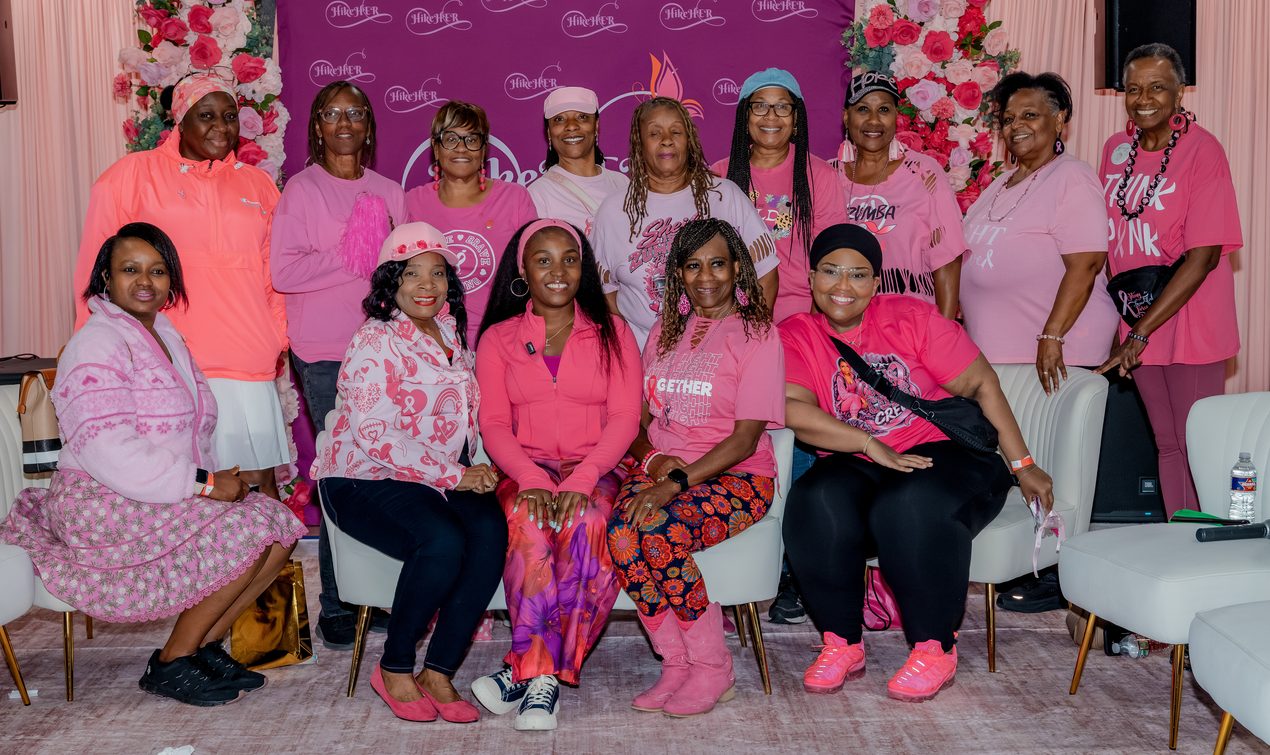
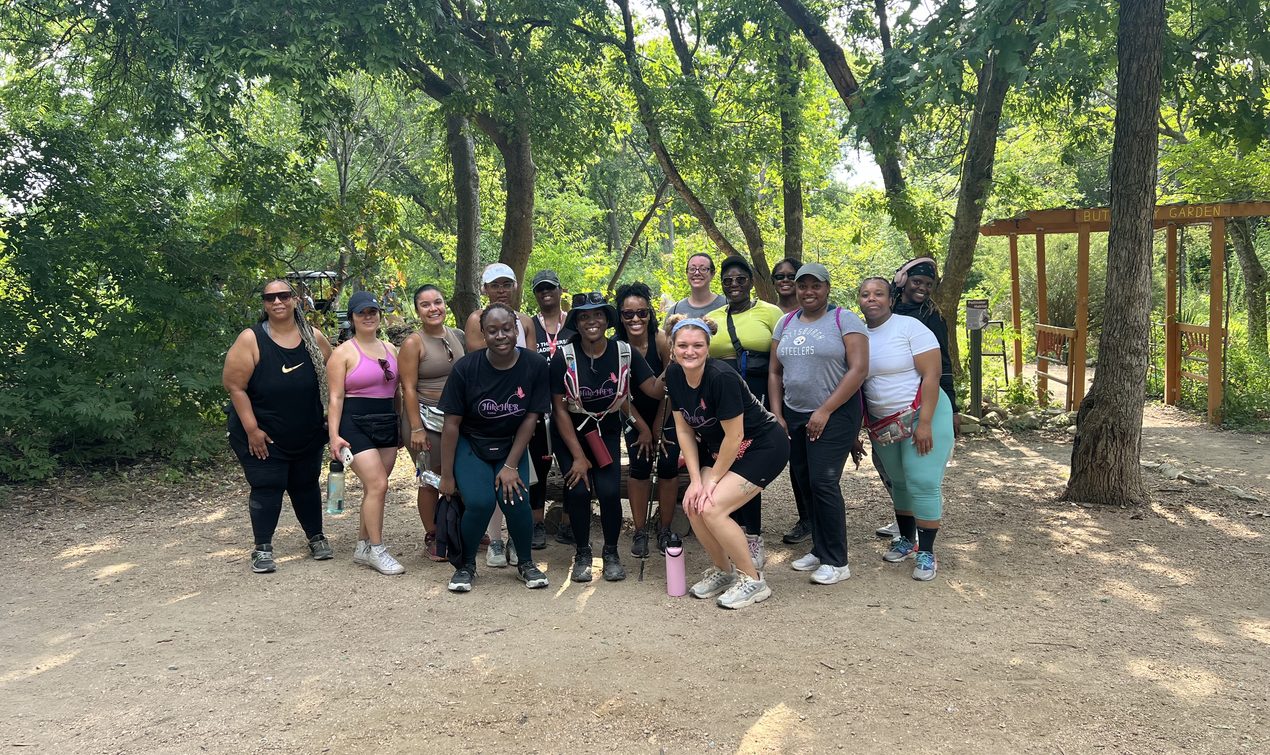
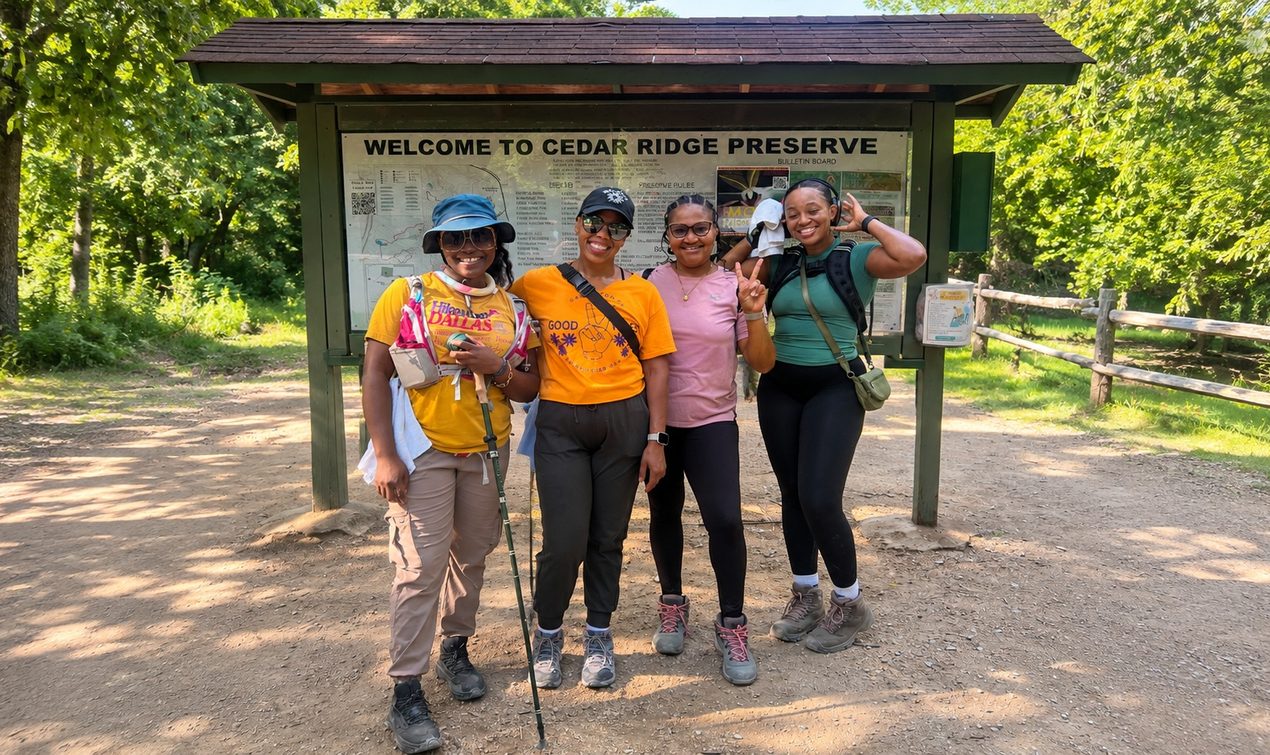
Today, HikeHER brings women from different backgrounds and life experiences together through movement, faith, nature, and meaningful connection. Our annual Pink Hike creates space for breast cancer awareness, education, and community, but HikeHER itself is not exclusively a breast cancer organization. It’s a community for women who want to live healthier, fuller lives together.
What storytelling and HikeHER have taught me is that you can give someone all the health information in the world, but information alone cannot replace human connection.
Sometimes the most meaningful part of a hike isn’t reaching the end of the trail. It’s the conversation you have along the way. It’s hearing another woman’s story, sharing a laugh, feeling seen, or finding a friend you didn’t know you needed.
Health is personal, but community reminds us that we don’t have to walk through every season of life alone.
Rebuilding Trust in Your Body After Illness
If you could offer one compassionate starting point to someone who feels disconnected from their body after illness, prolonged stress, or a major life change, what would you encourage them to do, and why?
I would encourage them to start by rebuilding a relationship with their body, one small act of care at a time. And I know that might sound simple, but I think it’s incredibly important.
When your body has been through something difficult, it’s easy to start seeing it through the lens of everything that has changed or everything it can no longer do. You might focus on the scars, the weight changes, the fatigue, the limitations, or the uncertainty. I understand that feeling.
But one thing I continue to remind myself is that my body is not my enemy. It’s a body that has carried me through some of the most difficult experiences of my life. And even though it may look and function differently today, it still deserves love, patience, and care.
So rather than beginning with an overwhelming wellness plan, start with something manageable. Maybe that’s taking a 15-minute walk outside. Maybe it’s preparing one nourishing meal, getting adequate rest, spending a few minutes in prayer, or simply sitting quietly and asking yourself, “What does my body need from me today?”
The goal isn’t to transform your life overnight. It’s to begin rebuilding trust with yourself.
And if there’s one thing I hope women remember from my story, it’s this: your life doesn’t have to look the way it did before for it to still be beautiful, meaningful, and worth living fully.
You are allowed to grow. You are allowed to change. And you are allowed to experience joy, even while navigating uncertainty.
Healing doesn’t always mean going back to who you were. Sometimes it means learning to embrace who you’re becoming.
Thank You, Luchi!
Her story also reminds us that caring for ourselves goes beyond following strict dietary rules. For another perspective on mindful nutrition and self-care, explore our interview with Giulia Napolitano on building a healthy relationship with food.
We sincerely thank Luchi Ajoku for sharing her personal journey, her experiences with breast cancer survivorship, and her perspective on gut health after cancer.
To learn more about her work and the communities she’s building, we invite our readers to follow Gut Health with Luchi, Diary of a Breastie, and HikeHER.


