How to Create the Ultimate Solo Overnight Packing Checklist for Outdoor Adventure
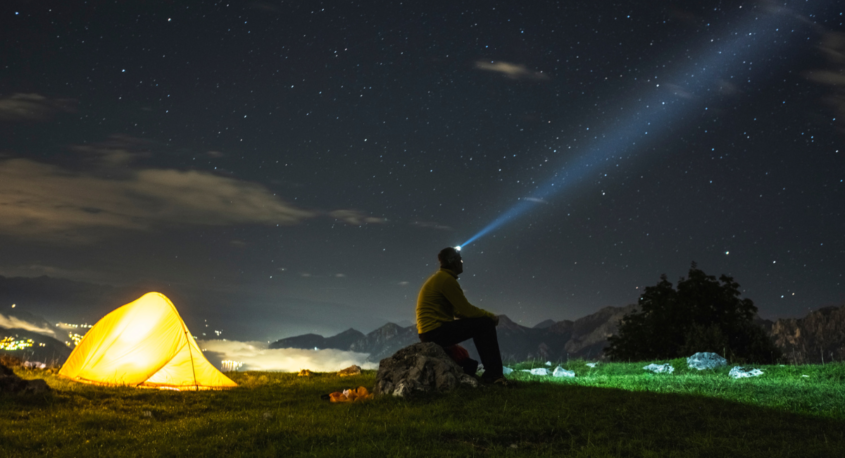
There’s something incredibly powerful about spending a night outdoors with everything you need on your back. No schedules, no noise — just you, the trail, and the quiet that only nature can offer. But a great overnight backpacking trip doesn’t start at the trailhead. It starts at home, with smart choices and the right gear.
In How to Create the Ultimate Solo Overnight Packing Checklist for Outdoor Adventure, we walk you through exactly what you need to pack for a solo overnight camping experience — no overpacking, no forgotten essentials. Whether you’re heading out for a summer micro-adventure or a cooler-season escape, this guide helps you build a checklist that fits your route, your pace, and the conditions you’ll face.
Because when you’re miles away from the nearest road, preparation isn’t just helpful — it’s what turns a simple night outside into a memorable adventure.
Camp Gear Checklist: What to Bring
When planning a backpacking camping trip—whether in the mountains, or any other environment—it’s vital to plan the necessary equipment.
This allows for a thorough check of existing items, verifying their condition and determining if anything needs to be purchased in advance to avoid traveling without all the camping essentials.
While it’s necessary to adapt the gear based on aspects such as the trip’s duration, the destinations, the time of year and the transportation methods used, a general list of essential equipment can be compiled.

In the checklist, you can never forget certain items:
- Tent and sleeping bag
- Air mattress and blankets
- First aid kit
- Rope, hooks and torches
- Insect repellent
- Pocket knife
- Camping stove
- Backpacks and bags
Camping: Essentials for Sleeping
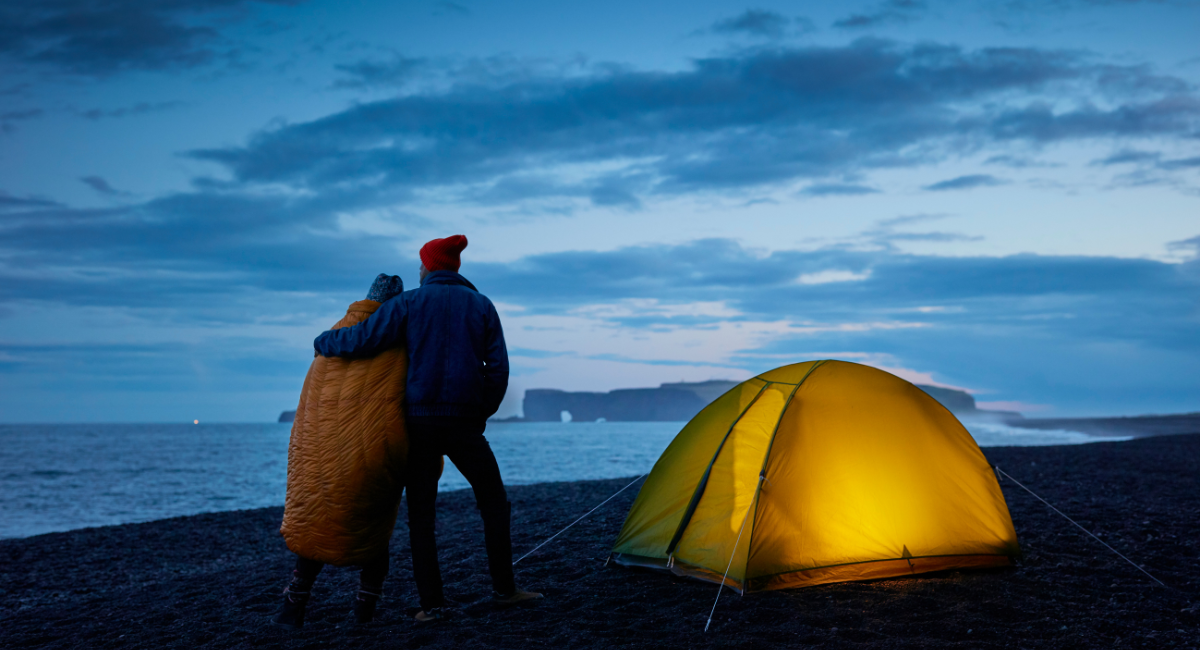
Among the indispensable items for camping are, of course, sleeping essentials. Firstly, it’s necessary to have a suitable tent, considering the location and weather conditions.
It should be of good quality and spacious enough to accommodate one or more people, depending on individual needs.
Various tent models are available, including the commonly used Canadian tent, which offers generous space but can be cumbersome and heavy to transport.
For families and large groups, a suitable choice would be a cabin tent, although it may be challenging and time-consuming to set up, it provides ample space inside and reliable shelter even in rainy conditions.
Alternatively, there’s the igloo tent, easy to set up and lightweight, perfect for frequent travelers or solo adventurers.
Depending on the model, you must consider all the camping equipment for tent setup.
For example, there should be stakes, guy lines, an additional waterproof tarp, extra ropes, a small pickaxe or shovel for digging trenches and a hammer or ax for securing stakes.
At this point, it’s essential to think about sleeping accessories.
Therefore, you should have a season-appropriate sleeping bag, an inflatable air mattress to avoid sleeping on the ground, ensuring comfort and protection from cold or damp terrain, a pump, a pillow for the head, and blankets (often, even in summer, nights outdoors can be very humid).
Backpacking Camping: Essentials for Eating
Once the camping gear for the night is ready, you must pay attention to another important aspect: food.
When spending several days outdoors, whether in organized facilities or in the midst of untouched nature, it’s essential to ensure you have everything needed to prepare meals.
Naturally, this also depends on the trip’s duration, the distance and the chosen location. At the same time, it’s best to be ready for any eventuality.
An essential item among camping gear is the gas stove, which allows you to cook food, heat water and prepare quick dishes such as meat or fish.
Then you should have a saucepan, cloths or towels, cutlery, plates, glasses and a larger knife for food preparation.
Other accessories depend on personal needs and available space, such as cutting boards, containers, dish drainers, and why not, the classic moka pot for brewing morning coffee.
Those who want to try their hand at outdoor barbecuing should also bring grills, brushes, and tongs, with which to light a fire and set up supports to cook delicious grilled meat or fish with potatoes.
To avoid leaving residues, it’s advisable to pack plastic bags in the backpack as well, separating organic waste from paper, metal, plastic, and glass to respect nature and the camping spirit, like a true boy scout.
Useful Accessories to Integrate into Backpacking Camping Gear
In camping, the necessary equipment isn’t limited to the tent, stove, and sleeping bag. Indeed, there are many useful items when spending several days in the great outdoors.
For example, an essential accessory is the classic all-purpose folding knife; you can keep it in your pocket or in the bag, ready for use.
The same goes for the flashlight, crucial in the evening and early morning, or to check the perimeter if you hear animal noises nearby.
Another item not to be underestimated is a plastic tarp, to protect camping gear in case of intense and sudden rains or to keep firewood dry during a sudden downpour.
When necessary, you can also bring folding chairs, a small table, a portable power bank to charge your smartphone or camera, a can opener, a lighter or matches and a thermos.
One thing to bring camping is a personal hygiene kit, so toothbrush, toothpaste, soap, and shampoo.
If the trip lasts a long time, you should also consider laundry products, preferably biodegradable ecological detergents, to clean at least underwear, towels and kitchen cloths.
This way, you can optimize space, avoiding packing too many clothes in the bag.


Backpacking Camping: Essentials for Walking and Moving
In addition to camping gear, closely related to stops, it’s important to prepare everything necessary to travel comfortably, especially if you have to walk all day or follow challenging uphill hiking trails.
Many models of duffel bags suitable for the purpose are available, among which you can choose the right one depending on the trip’s duration and itinerary.
Moreover, the classic waist bag is quite appreciated, where you can store documents, money, and fragile items such as a smartphone or digital camera.
The shoes must be comfortable and sturdy, suitable for the terrain to be tackled, preferably waterproof to prevent moisture, crossing streams, or a rainy day from forcing you to remain with wet feet for hours.
For long walks, you should also have head protection, a cap, or any other headgear, if necessary, sports sunglasses resistant to impacts and falls, bringing insect repellent and sunscreen, especially when walking in the mountains.
Creating the ultimate solo overnight packing checklist for outdoor adventures is a crucial step in ensuring a safe, enjoyable, and hassle-free trip.
By understanding your needs, crafting a tailored packing list, and packing efficiently, you can embark on your solo adventure with confidence.
Whether you’re a female or male traveler, proper planning and preparation will set the stage for an unforgettable outdoor experience.
So, gear up, pack smartly, and get ready to explore the great outdoors on your own terms!
Did you like our article “How to Create the Ultimate Solo Overnight Packing Checklist for Outdoor Adventure”? Leave us a comment!