The Truth About the Digital Nomad Lifestyle: 5 Downsides No One Talks About
Is the Digital Nomad Lifestyle as Glamorous as Instagram Claims?
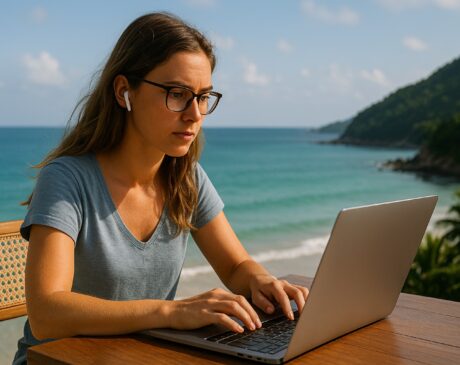
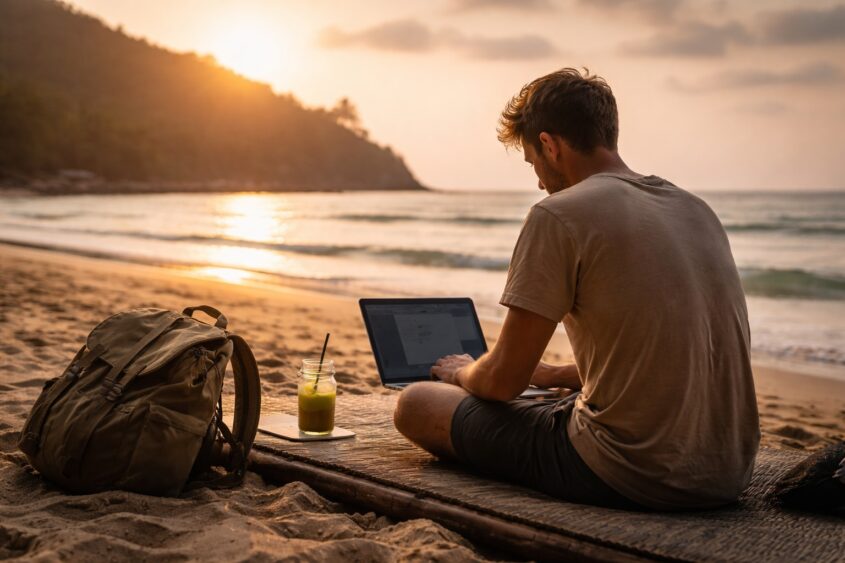
Be honest for a second. How many times have you seen that exact same scene—laptop open, ocean in the background, someone pretending to “work” while sipping a coconut?
It looks perfect. Too perfect.
And that’s the problem.
Because the digital nomad lifestyle isn’t just sunsets, freedom and midweek brunches in Bali. It’s also quiet mornings alone, unstable routines, and a constant feeling that something—somewhere—is being missed.
If you’ve been in it long enough, you already know.
If you haven’t yet… this is the part no one puts in their €20 eBook.
Let’s talk about it.

1. Digital Nomad Loneliness Hits Harder Than You Expect
No one really prepares you for this.
Not the obvious loneliness—you can handle a solo dinner.
It’s the subtle one that gets you.
That moment in the morning when you grab a coffee and realize there’s no one to text. No “see you later”, no shared routine. Just you, again, in a new place that still feels temporary.
I spent one Christmas Eve in Lithuania like that.
Netflix, microwave popcorn, and a quiet room that didn’t feel festive at all.
Was it a meaningful experience? Maybe.
Was it lonely? Absolutely.
The truth is: in the digital nomad lifestyle, people come and go fast. You meet someone in Lisbon, connect over a beer, and four days later they’re in Bali.
You’re rarely alone.
But you’re often on your own.
What helps: stay longer in one place. Not weeks—months. Build something that feels like a routine, even if temporary.
2. You Don’t Just Leave Home—You Slowly Drift Away From It
This one is harder to admit.
You’ll miss things. Not just big events—birthdays, weddings—but random Thursdays that somehow mattered more than you expected.
And yes, you can call. You can text. You can “be there” digitally.
But try joining a dinner with friends when it’s 3am where you are.
Or celebrating something important through a screen.
It’s not the same. It never is.
Meanwhile, life at home keeps moving. People change, dynamics shift. And when you come back, sometimes you feel like a guest in a place that used to be yours.
That’s part of the deal.
Reality check: if you choose the digital nomad lifestyle long-term, plan real time at home. Not holidays. Real life. The boring days too.

3. Finding the “Perfect Place” Becomes an Obsession
At the beginning, it’s exciting.
New city, new apartment, new everything.
Then reality kicks in.
The “bright apartment” has no natural light.
The “fast WiFi” works only in the hallway.
The “great location” feels unsafe after 9pm.
Every place comes with trade-offs. Always.
I lived in Lisbon earning around €1200/month and felt like I had it all figured out. Try the same in Paris and suddenly you’re budgeting coffee.
The digital nomad lifestyle turns you into a constant optimizer:
- better rent
- better internet
- better vibe
- better cost
And it never really ends.
Tip (the real one): before booking anything long-term, check local groups, test the internet yourself, and don’t trust photos too much. They lie. A lot.
4. Bad Internet Isn’t an Inconvenience—It’s a Disaster
If your work depends on being online, this becomes your biggest stress.
I’ve spent nights uploading files at 2am just to avoid network congestion… only to see everything crash at 97%.
That kind of frustration hits differently when your income depends on it.
Some places surprise you—in a good way. Others… not so much.
Portugal? Solid.
Barcelona? Beautiful, but WiFi horror stories are real.
And yes, at some point, you will be that person sitting in a café for hours just for the connection.
Non-negotiable rule: always have a backup. Local SIM, hotspot, second option. No exceptions.
5. Not Everyone Is Happy You’re There
This is the uncomfortable truth.
The digital nomad lifestyle doesn’t exist in a vacuum. It impacts the places you go.
Higher rents, changing neighborhoods, cafés adapting to a new type of customer—it creates tension. Sometimes quiet, sometimes very visible.
In cities like Lisbon, locals are being pushed out of central areas. And digital nomads, whether they like it or not, are part of that dynamic.
You’ll see it:
- time limits in cafés
- “no laptops” signs
- subtle hostility
It’s not personal. But it’s real.
What you can do: spend locally, respect the culture, don’t behave like a tourist with a long-term visa.
It won’t fix everything—but it matters.
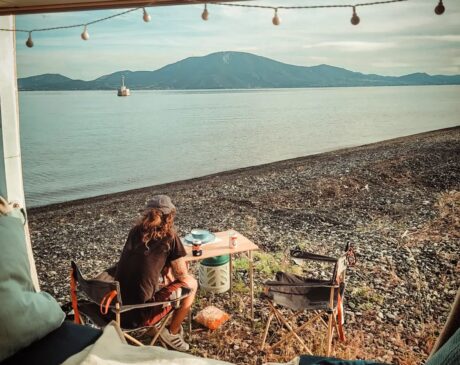

And Then There’s This: You’re On Your Own
No one tells you this part clearly enough.
When something goes wrong—and it will—you’re the only one there.
Getting sick. Losing documents. Dealing with bureaucracy in a language you barely understand.
That’s when the digital nomad lifestyle stops feeling like freedom and starts feeling like exposure.
You learn fast. You adapt.
But you also realize how much you used to rely on having “your people” nearby.
Final Thoughts: Freedom Comes With a Price
So, is the digital nomad lifestyle worth it?
Yes. Without a doubt.
But only if you stop believing the Instagram version of it.
Because for every incredible sunset, there’s a moment where you feel disconnected, tired, or just… out of place.
And that’s normal.
Freedom is powerful.
But it comes without anchors.