Doreet Dijke: Living Foods, Mindfulness and Conscious Living
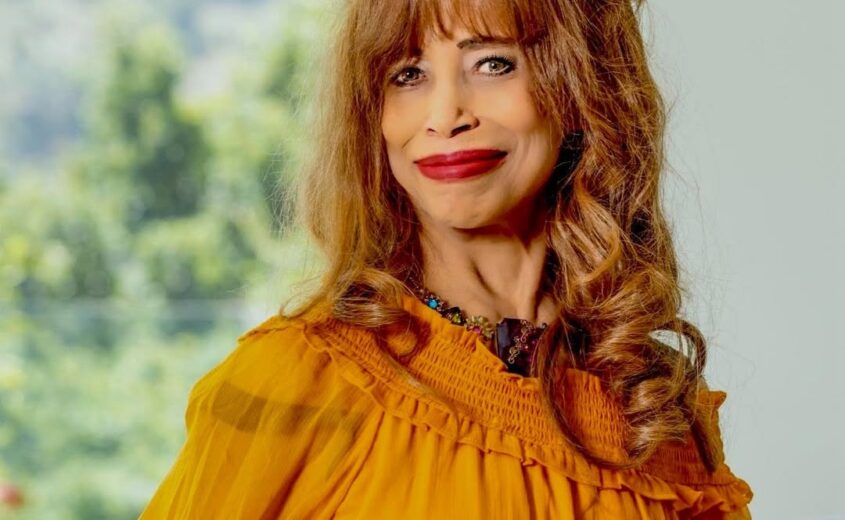
Doreet Dijke shares her journey into Living Foods, mindfulness, raw cuisine and the ideas behind The UNcooking Show.
Who is Doreet Dijke, and how did Living Foods become central to her work?
Doreet Dijke is a Living Foods Chef, author and creator of The UNcooking Show. Her approach brings together raw plant-based cuisine, mindfulness and a personal philosophy of conscious eating.
In this interview, Doreet discusses the experiences that shaped her relationship with food, the creation of her books and media projects, and the ideas behind her Living Foods recipes. She also explains why she prefers the term “Living Foods” to “raw food” and how she incorporates mindfulness into her work.
This article presents Doreet Dijke’s personal experiences and opinions. It does not provide medical or nutritional advice. Statements about detoxification, healing, vaccination or the health effects of raw and cooked foods should not replace evidence-based guidance from a qualified healthcare professional.
Living Foods with Doreet Dijke
1) Could you share your personal journey that led you to become a Certified Living Foods Chef and a Detox and Regeneration Specialist?
As a child, I only wanted to eat fruits. Once I started school, I vividly remember being held down on a bed by adults who forcefully inoculated me despite my screams. I physically fought them with all my strength and was left feeling deeply betrayed—what I wanted didn’t seem to matter. It was all about what the school demanded, and they didn’t even ask for my permission! That was the moment I realized that even my own body could be used as a tool in a power struggle.
As a result, I became violently ill and ended up in the hospital. The medical staff insisted that I needed to eat more than “just fruits,” so I refused to eat anything. I became severely dehydrated, and eventually, when they offered me some vegetable broth, I drank it—and that’s when my downfall began. I went from being a vibrant, energetic child who was never sick, to becoming a sickly child, teenager, and adult.
I continued refusing to eat animal flesh, although I did eat some fish that had been disguised with lots of vegetables—until I discovered the truth. By then, I was convinced that adults were dictatorial and deceitful, and that food had become a power struggle—if I didn’t conform to their rigid beliefs about what I should put into my body, I was punished.
So I started coming up with ways to deceive them. I kept getting sick, which didn’t seem to concern them at all—because to them, being sick was now “normal.”
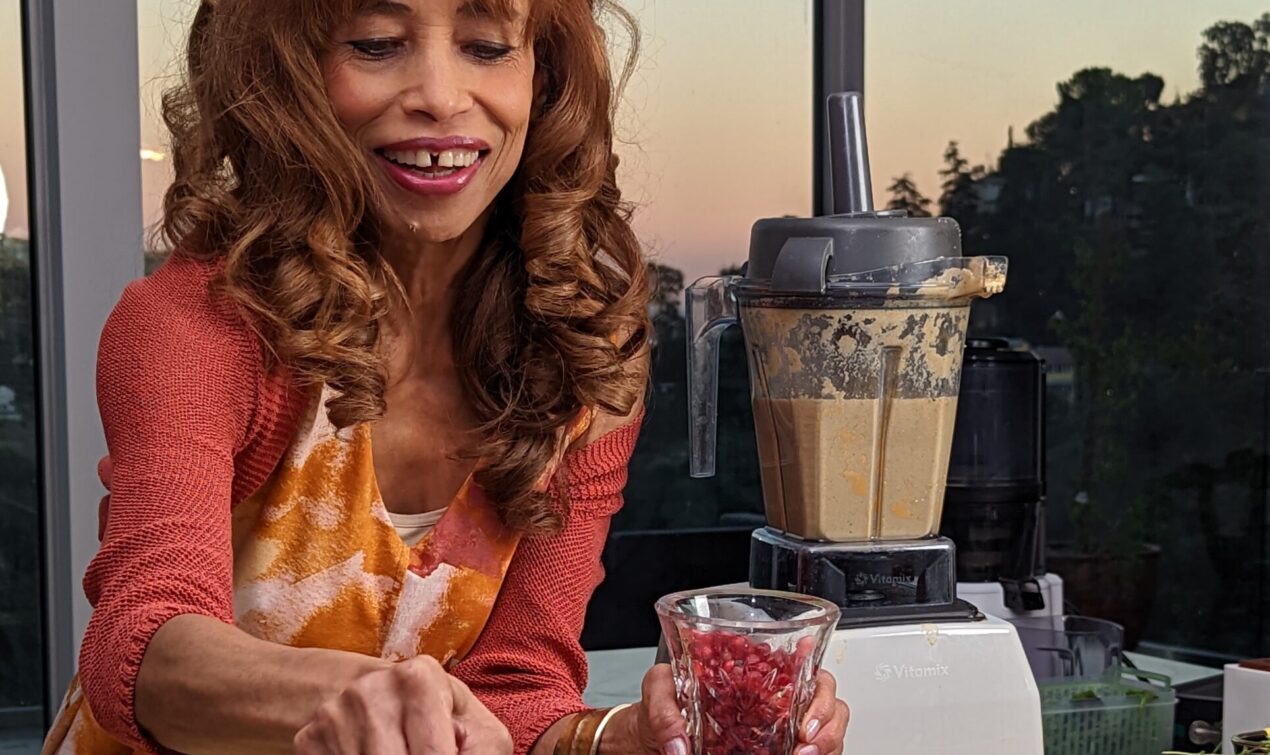
2) How did your experience with a severe illness influence your perspective on health and nutrition, and how did it inspire you to write your books?
Absolutely—it had a profound impact! My first three books were recipe books because I kept getting requests for my creations. However, my latest book is a comprehensive guide to true health. I address all aspects of wellness and provide the actual tools I use to help readers begin their own healing journeys.
Unsurprisingly, the title is BEING HEALTHY. I’ve also launched a companion podcast of the same name, featuring myself and five carefully selected co-hosts. Together, we explore the many ways mainstream advice leads us astray and how this misinformation affects our health and well-being.
3) What motivated you to create The UNcooking Show, and what core message do you aim to convey through this platform?
The global lockdown in 2020 was my main motivator. I was witnessing the spread of incredibly unhealthy advice, which only made people more vulnerable to illness. Then, I was offered an opportunity by former broadcast journalist Jane Velez-Mitchell to host a recipe show on her Facebook page.
The show gained a large following, which led to her inviting me to create my own show for her UnChainedTV app—available on Apple TV, Samsung TV, LG TV, Android TV, Roku, and Amazon Fire.
The core message of The UNcooking Show is that cooking food—and exclusively eating cooked and highly processed meals—is not the only way. I continuously challenge myself to create and teach recipes that people already know and love in their cooked versions, while ensuring all ingredients are alive, enzyme-rich, and in their natural, vibrant state. This is exactly what humans need to thrive, as we see mirrored in wild animals and living-foods communities around the world.
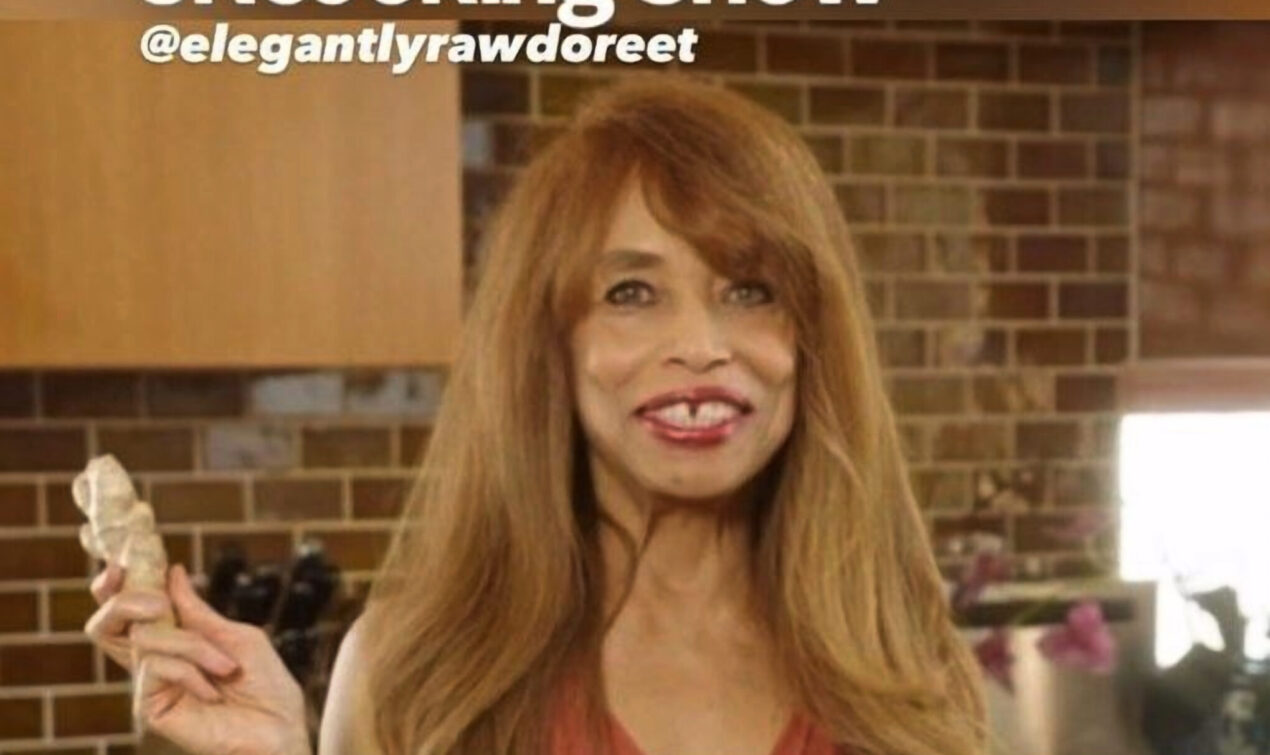
4) As someone trained by Dr. Deepak Chopra in the 8 limbs of Yoga and Mindfulness, how do you integrate these principles into your culinary practices and teachings?
These principles are at the heart of everything I do.
Without mindfulness in our choices about how we nourish and care for ourselves, we become vulnerable to the latest fads and to clever marketing tactics that don’t have our well-being in mind. We become disconnected from Nature and robotic in our habits, which puts our precious health—our birthright—at risk.
I practice mindfulness not only in my food choices but also in the soil where the ingredients are grown, the farmers who cultivate them, the freshness (the time between harvesting and usage), and my own energy while preparing food. I consider the vibrational frequency of the food and aim to elevate my own frequency to enhance the energy of the meals and recipes I create.
5) What can readers expect from your books Celebrating Our Raw Nature and 10 Harmful Myths?
Celebrating Our Raw Nature is a 219-page book that combines practical information with simple, accessible recipes for readers interested in exploring a plant-based Living Foods lifestyle.
10 Harmful Myths is an e-book in which I examine ten commonly held beliefs about health and explain why I believe they deserve a closer look.
6) Your roster of clients includes notable figures such as Marla Gibbs, Andy Dick, Yoko Ono, Donna Karan, and Serena Williams. How has working with such diverse individuals influenced your approach to health and wellness?
Honestly, it hasn’t changed my approach at all. In fact, it’s reaffirmed my belief in the power of living your truth and being authentically yourself. That kind of self-alignment is incredibly empowering—not only for oneself but for others, too.
7) What challenges have you encountered in promoting a raw, plant-based lifestyle, and how have you addressed them to make this way of living more accessible to a broader audience?
One major challenge is the word RAW itself—it turns people off. Most people assume raw means cold food. They have no idea that raw food can also be warmed in a dehydrator, in a blender, or even by the body itself, especially when combined with warming herbs and spices.
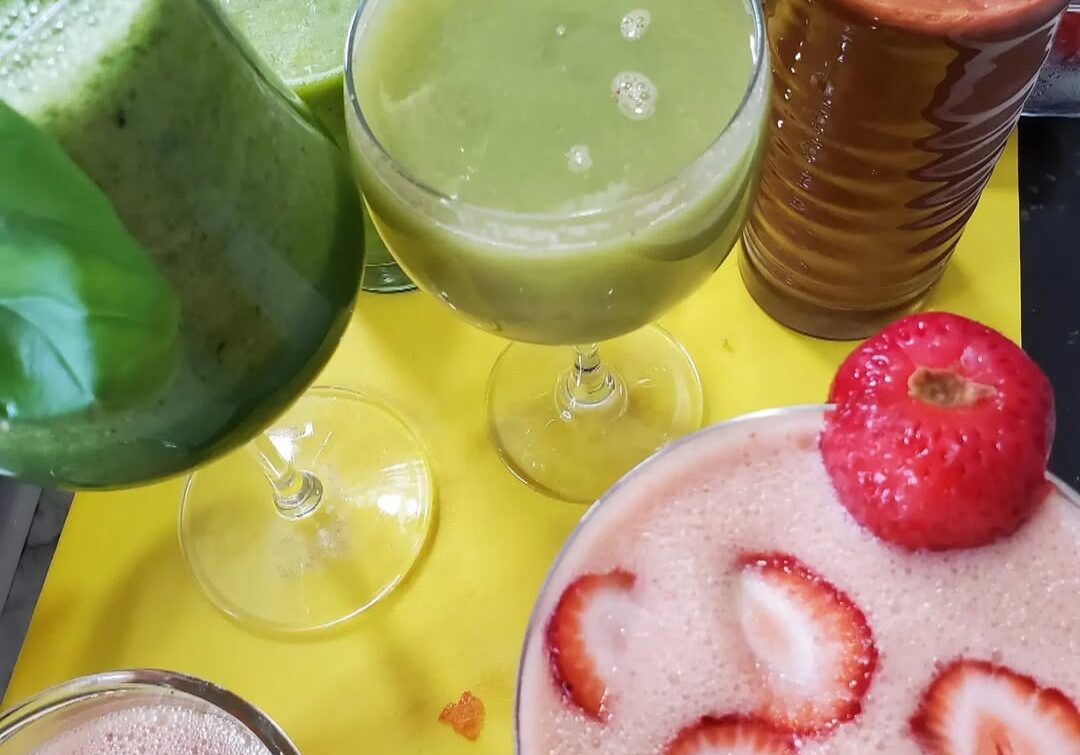
I prefer to use the term Living Foods, because all food that grows above ground has already been “cooked” by the sun, moon, and stars. This framing helps people understand that it’s not about deprivation—it’s about embracing food in its most vibrant, life-giving form.
8) Looking ahead, what are your future aspirations for The UNcooking Show and your endeavors in the realm of health and wellness?
For The UNcooking Show, I would love to find sponsors or donors. It’s a very time-consuming project, and I would like to be fairly compensated for my work—as well as have the resources to adequately pay the amazing production team.
As for my broader goals in health and wellness, I want to grow my brand-new BEING HEALTHY news commentary livestream on YouTube. I envision it becoming a trusted alternative to mainstream media—a go-to source for authentic, empowering tools for health and well-being.
Living Foods and Health: What Readers Should Know
Raw fruits, vegetables, nuts and seeds can contribute to a varied diet, but eating food raw does not automatically make a diet complete or suitable for everyone. According to the NHS guidance on following a balanced vegan diet, careful planning may be needed to obtain nutrients such as vitamin B12, vitamin D, iodine, selenium and calcium, sometimes through fortified foods or supplements.
Food safety is equally important. The FDA guidance on selecting and serving fresh produce safely recommends washing produce thoroughly under running water, refrigerating perishable and pre-cut products and taking particular care with raw sprouts, which may carry harmful bacteria.
Anyone considering a highly restrictive raw or fruitarian diet should speak with a registered dietitian or qualified healthcare professional, particularly during pregnancy, when planning a diet for a child, in older age or when managing a health condition. Dietary choices should not replace medical treatment or professional advice.
Doreet Dijke and the Living Foods Philosophy
Doreet Dijke’s approach to Living Foods brings together raw plant-based cuisine, mindfulness and conscious living. Through The UNcooking Show, her books and the Being Healthy project, she encourages people to examine their food choices and discover new ways of preparing fresh, plant-based ingredients.
Her journey also highlights the importance of approaching nutrition with both curiosity and critical thinking. Personal experiences can inspire reflection, but individual health decisions should always be supported by reliable evidence and guidance from qualified professionals.
Thank You, Doreet!
Where to Follow Doreet Dijke
Readers who would like to explore Doreet’s recipes, media projects and books can find her work through these channels:
- Instagram – @elegantlyhealthywithdoreet
- Doreet Dijke’s YouTube channel
- The UNcooking Show official website
- Being Healthy News Livestream on YouTube
Books by Doreet Dijke
- Celebrating Our Raw Nature, Books 1 and 2
- The Elegantly Healthy Raw Doreet’s Coconut Recipes
- Being Healthy