Raw Vegan Lifestyle: Cecilia Leibovitz on Food and Self-Care
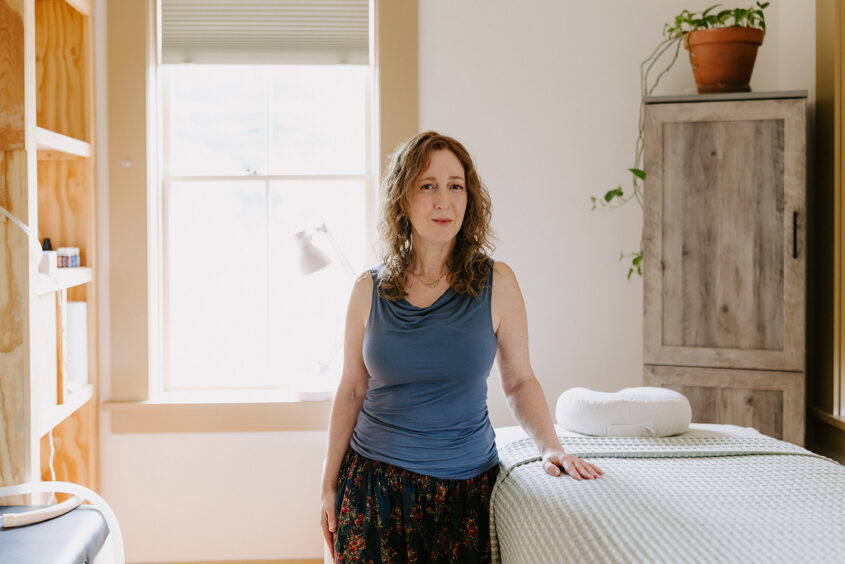
At 49, Cecilia Leibovitz began a career she had never planned—and hadn’t even wanted. She had spent years building businesses in the arts. But an experience of chronic illness led her to revisit something that had been part of her life since childhood: her relationship with food. That search for answers would eventually lead her to explore a raw vegan lifestyle.
Growing up, healthy living meant her mother’s vegetarian cooking and a radio show she couldn’t help overhearing in their small apartment. Decades later, those early influences took on a new meaning, eventually leading her to open a wellness studio in rural Vermont and create Beautiful Biomes.
In this interview, Cecilia shares how her relationship with raw veganism has evolved, why she leaves room for flexibility, and how creativity, rest, and a few everyday rituals fit into her life.
She also opens up about something that can be difficult to admit: the fear that a bad day might mean losing the progress you’ve worked so hard to make.
How do you respond to those moments? And how do you build a way of caring for yourself that you can sustain? Cecilia’s answers take us beyond what’s on her plate.
Meet Cecilia Leibovitz and Beautiful Biomes
1. To begin, could you introduce yourself to our readers—who you are, what your life looked like before your wellness journey, and how Beautiful Biomes came to life?
Hello! I’m Cecilia Leibovitz. I’ve been wellness-oriented ever since I was six years old. This was not by choice, but simply because I was influenced by my mother. She became vegetarian at that time and transitioned us—my siblings and me—to a vegetarian diet as well.

She listened to a radio show called Natural Living with Gary Null every day, and I learned a lot because I had no choice but to listen along in our small apartment.
I remained vegetarian into adulthood, although my eating habits changed after I left my mother’s kitchen. She made everything from scratch and used plenty of vegetables, salads, fruit, and whole grains. As an adult, I ate a lot of pasta and cheese, but not nearly enough fruits and vegetables.
I didn’t realize it then, but I believe all that heavy food was burdening my lymphatic system and digestive tract and making me sick.
There were times when I experimented with a vegan diet and a raw vegan lifestyle in my 30s and 40s. But it wasn’t until I became chronically ill with Lyme disease and mold toxicity that I finally stuck with it and made major changes to my diet, becoming even stricter than my mother had been when I was a kid.
Being introduced to healthy living at such a young age, then becoming sick later in life, strongly influenced my decision to begin working in detoxification. I had always loved helping people with dietary advice, but I had never imagined—or even wanted—it to become a career. That changed when I turned 49.
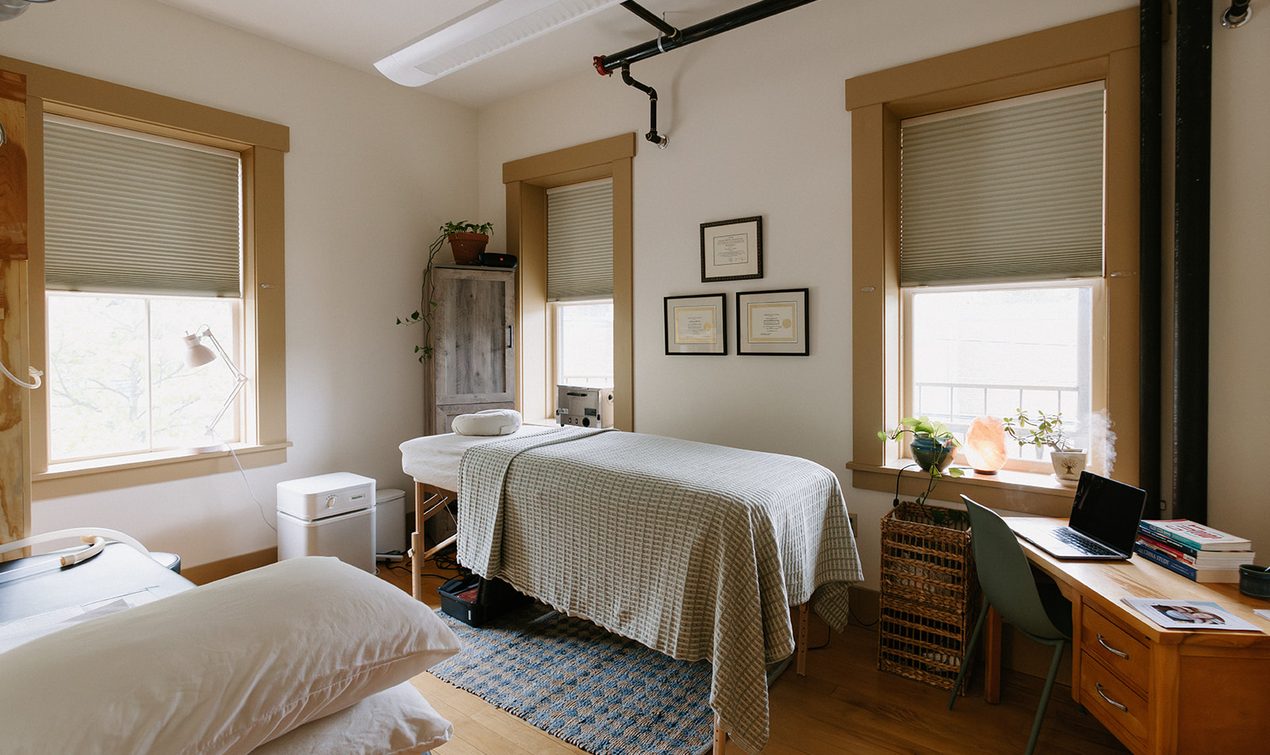
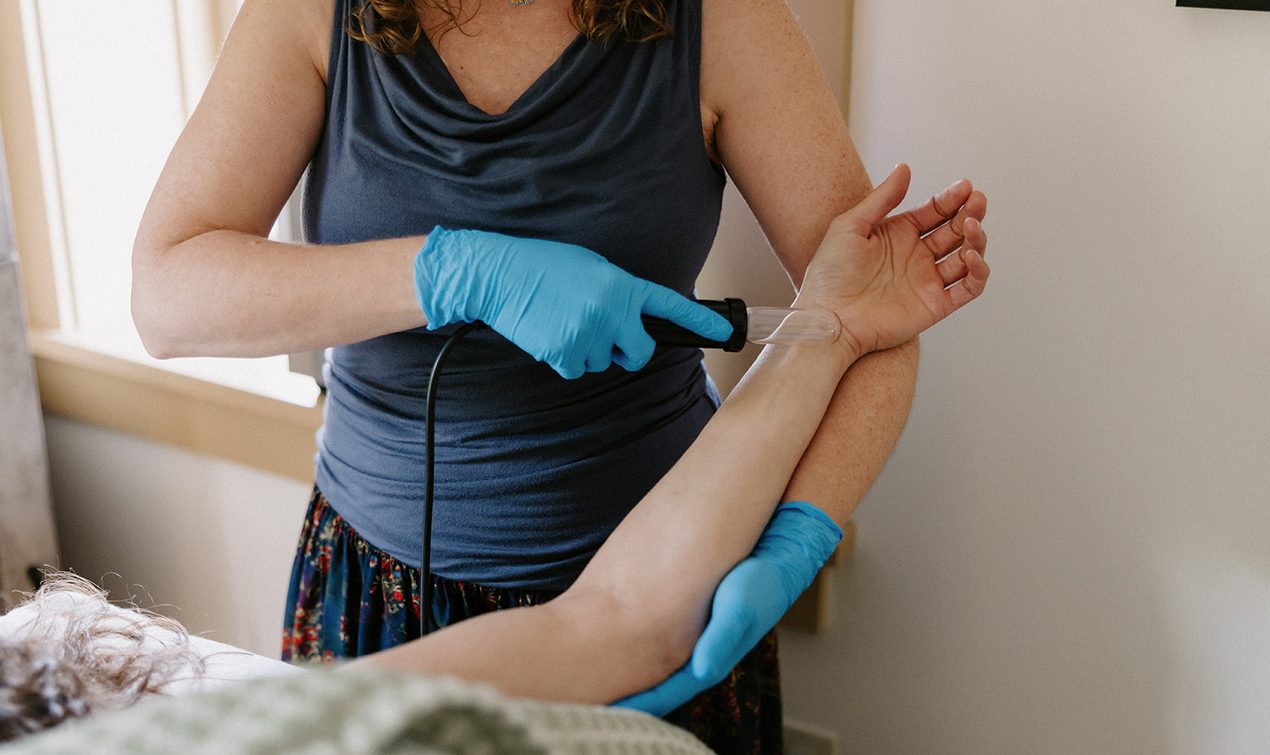
Before then, my work was focused on the arts. I’ve always been an entrepreneur and have run several businesses over the years. I still run my textile art business, where I create handmade jewelry using vintage and new fabrics. I also run Garden Within Therapies, the wellness studio I started in rural Vermont, where I work as a colon hydrotherapist, assisted lymphatic therapist, and whole plant foods nutrition counselor.
Beautiful Biomes is my online platform, where I share what I can with people who aren’t able to come see me in person.
How Cecilia’s Approach to Raw Veganism Evolved
2. You’ve shared your experience of embracing a raw vegan lifestyle during your search for better health. What led you to explore this way of eating, and how has your relationship with it evolved since those early days?
I first came across the idea of a raw vegan diet in books on my mother’s bookshelf, including those by Norman Walker. At the time, I didn’t really understand what a raw food diet—or even a vegan diet—was, even though I had been vegetarian for most of my life. The idea didn’t fully sink in until later.
A bit later on, I had a boyfriend who was familiar with the lifestyle, and he explained it to me. Then my mother became sick with cancer and began exploring raw food herself, even staying at the Creative Health Institute, which was a raw food retreat. As all this was happening, I experimented with it more and more.
Now I eat a high-raw, whole-food, plant-based diet. There are times when I feel a sense of heaviness and the need to lighten up my diet, so I’ll eat only fruit for a few days or a week.
For the most part, I eat fruit throughout the day, sometimes having a salad as well. In the evening, I usually have a salad and steamed vegetables. I allow myself to eat other cooked foods when I feel inclined to, and I’m not dogmatic about it. This might occasionally happen during a holiday or a visit with friends or family. That flexibility helps me avoid feeling tied to one particular way of eating.
The most important thing to me is that I remain 100% plant-based.
Making food choices work in everyday life also comes up in our interview with Raw Vegan Bella, who discusses her own transition and the practicalities of finding meals she enjoys.
Self-Care Beyond a Raw Vegan Lifestyle
3. Beyond what you eat, what does caring for yourself look like in everyday life? Could you take us through the habits and small rituals that matter most to you, including how you make space for rest and emotional well-being?
I think it’s equally important to practice self-care beyond our diets. I try to spend time in my sauna blanket, go for walks, and jump on my rebounder. I also make colonics and assisted lymphatic therapy a regular part of my own self-care routine. I meditate when I can get myself to sit still long enough. I also enjoy reading, as well as embroidering and making things from fabric. I find these activities meditative, and they are another way I practice self-care.
I try to go to bed early when I can, which for me means by 10:30 p.m. I must say, though, that’s a challenge on many nights because there is so much I want to do! I keep working on this habit because I know how important sleep is for my health.
Another thing I do, although most people might not consider it self-care, is allow myself to watch a video or documentary at night. This helps me and my nervous system wind down from a busy day, and sometimes I sew by hand while I’m watching.
Food, creativity, and meditation also come together in our conversation with Melissa Keath, who shares how these parts of her life have developed alongside one another.

From Personal Experience to Working with Clients
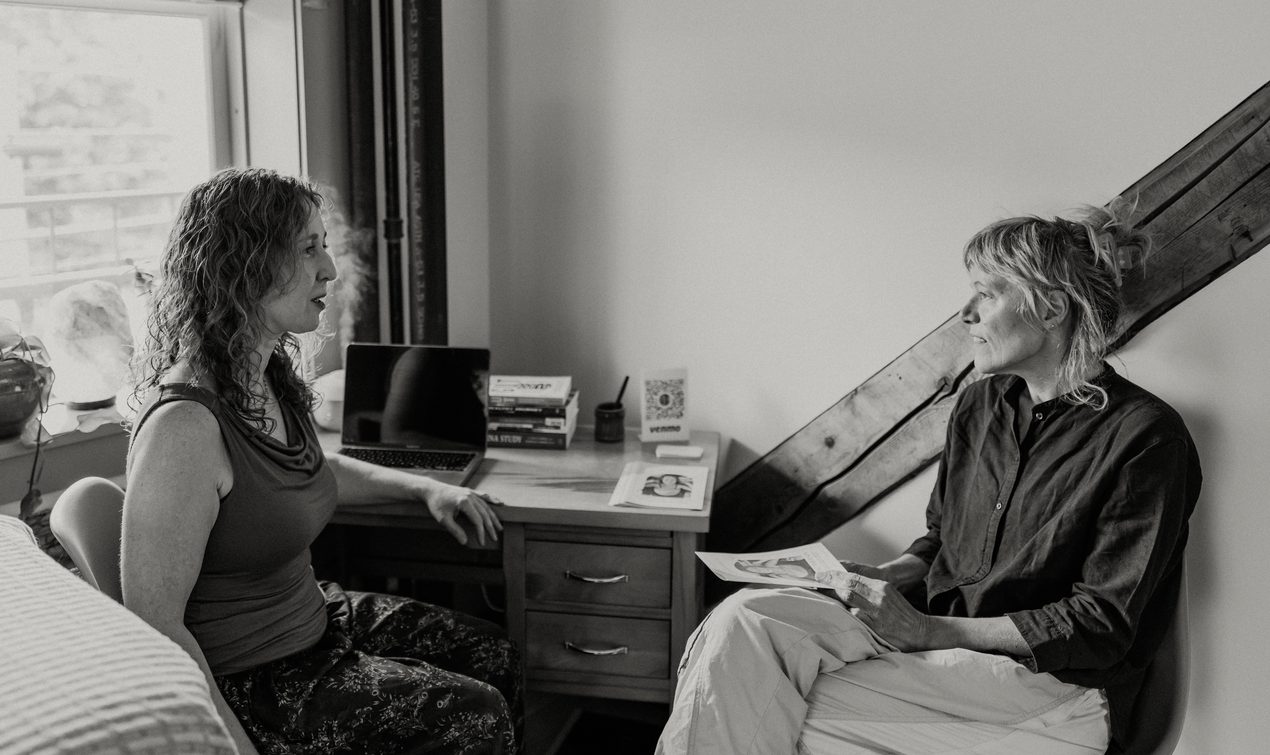
4. Your personal journey eventually led you to train in colon hydrotherapy and lymphatic therapy. What inspired you to move into this work, and how have your own experiences shaped the way you listen to and support the people who come to you?
When I was chronically ill, there were times when I could barely get out of bed. After making major changes to my diet and beginning colon hydrotherapy, I was amazed at how quickly my symptoms began to ease and my energy returned. I went from struggling to get through the day to feeling well enough to begin a whole new chapter of my life. The changes were so dramatic that I knew I wanted to help other people experience the same kind of healing.
For me, those experiences made training as a practitioner feel almost inevitable. I had come to understand just how closely the health of our colon is connected to our overall well-being, and I believed that keeping it clean was a first line of defense in staying healthy. The combination of colon hydrotherapy and a diet high in raw plant foods had, in my experience, helped turn my chronic illness around. Sharing that experience with others felt like a natural next step.
I learned about the importance of caring for the lymphatic system from another student, a lymphatic therapist, when I was taking the advanced colon hygiene course. She convinced me to add lymphatic therapy to my work by explaining how it goes hand in hand with colonics.
I feel a strong kinship with my clients and with other people I meet who sense that something is off with their health. I’m excited to share with them the difference colonics, lymphatic care, and changes to my diet made for me. I know what it’s like to be looking for answers and not finding them, and I also know that we need to be ready before we can make changes. I meet people where they are and help them develop plans they can realistically follow while working toward meaningful changes, even if they aren’t ready to go all in right away.
For independent context on the evidence and safety of the practices discussed here, see the National Center for Complementary and Integrative Health’s overview of detoxes and cleanses.
Navigating Setbacks and Changing Needs
5. Looking back, what has been the most challenging part of exploring a raw vegan lifestyle and changing your daily habits—practically, emotionally, or socially? How have you navigated setbacks or moments when your needs changed along the way?
Having down days when I don’t feel as physically or emotionally well is tough. Sometimes this happens even though I’ve come such a long way in my healing. When it does, I let myself rest but sometimes worry that all of the work I’ve done has been for nothing.
Thank goodness my energy and sense of well-being eventually return, and I remind myself that healing isn’t always a straight line.
Rethinking Food Choices and Everyday Care
6. Through Beautiful Biomes, you share your experiences with a wider community. If you could invite our readers to rethink one aspect of their relationship with food, their bodies, or self-care, what would it be—and what has your own journey taught you about it?
I would suggest paying less attention to which foods or nutrients we can add to our diets and more attention to what we might take away. When we add more raw fruits and vegetables while moving away from a diet heavy in processed, fiberless, high-fat foods, we can see big improvements in our health. I’ve learned through my own experience just how much our food choices can affect the way we feel. Sometimes the most meaningful changes come from simplifying what we eat rather than adding more.
I think it’s equally important not to beat ourselves up if we’ve had an off day and eaten foods that we feel weren’t the best choice. Making changes doesn’t mean we have to be perfect all the time. Our bodies are amazing vehicles that want to thrive and be healthy. Every day is a new chance to make better choices, and mindset is so important. When we feel good about our choices and treat ourselves with care and understanding, we can feel so much better.
That emphasis on manageable choices also runs through our conversation with Una Vegana Fuorisede about everyday plant-based cooking, which explores time, budget, and the pressure to do everything perfectly.
Thank You, Cecilia!
Cecilia’s experience with a raw vegan lifestyle leaves us with plenty to reflect on, from the habits we carry from childhood to the expectations we place on ourselves today. Her openness about difficult days brings a personal dimension to this conversation, as does her willingness to make room for flexibility while staying true to her choices.
Thank you, Cecilia, for taking the time to speak with us and for sharing your experiences so openly with our readers.
To continue following her story, connect with Beautiful Biomes on Instagram and visit Garden Within Therapies to learn more about her work.